Top 10 Ways to Make Homemade Pet Food Safely?

Time:2026-10-14 Author:Henry
0%

Preparing meals at home can feel caring, practical, and deeply personal. Yet safe pet nutrition requires more than fresh ingredients and good intentions. This guide, “Top 10 Ways to Make Homemade Pet Food Safely,” explains how to reduce common risks in a home kitchen.

Learning How to make homemade pet food safely begins with professional guidance. Dr. Lisa M. Freeman, a veterinary nutritionist at Tufts University, reminds pet owners, “There is no one diet that is right for every pet.” That principle matters because age, breed, weight, medical history, and activity level all change nutritional needs.

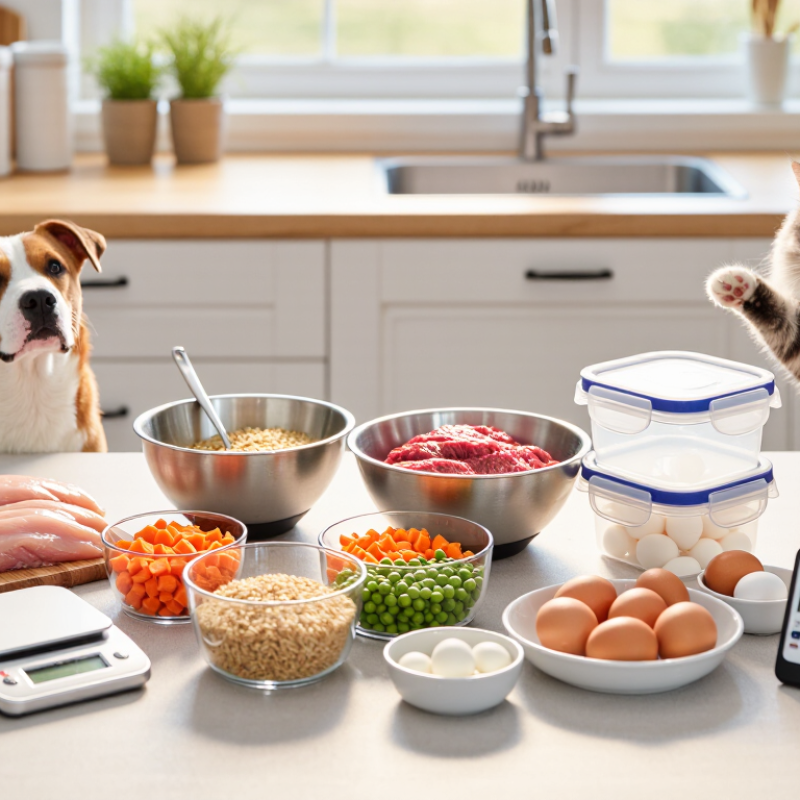
A safe recipe must provide balanced protein, fat, carbohydrates, vitamins, and minerals. Meat alone is not a complete diet. Calcium is often overlooked. So are iodine and essential fatty acids. A small kitchen scale can improve portion accuracy, while a food thermometer helps confirm safe cooking temperatures. Clean cutting boards, refrigerated leftovers, and clearly labeled containers also protect pets from contamination.

Some ingredients can be dangerous, including onions, garlic, grapes, raisins, chocolate, xylitol, and cooked bones. Never assume that a human-safe food is pet-safe. That mistake is easy to make.

The guide also covers gradual diet changes, calorie control, supplement use, and warning signs such as vomiting, diarrhea, dullness, or weight loss. A veterinarian should review long-term recipes, especially for puppies, kittens, pregnant animals, and pets with kidney or digestive disease.

Homemade feeding is not automatically healthier. It can be excellent when carefully planned. It can also become nutritionally incomplete surprisingly fast. Reflecting on that limitation is part of responsible pet care.
Top 10 Ways to Make Homemade Pet Food Safely?

Assess Your Pet’s Nutritional Needs Before Cooking

Before cooking homemade pet food, assess your animal’s actual nutritional needs. Age, weight, activity, breed, and health conditions all matter. A growing puppy needs different proportions than a senior cat. Pregnancy, kidney disease, allergies, and obesity can change the plan completely.

Start with a veterinary consultation, especially if your pet takes medicine or has a diagnosed condition. Ask for daily calorie needs and essential nutrient targets. A qualified veterinary nutrition professional can review a recipe before you serve it. Do not rely on online ingredient lists alone. Meat, vegetables, and grains may look balanced, yet still lack calcium, iodine, or specific vitamins.

Measure your pet’s body weight and record appetite, stool quality, energy, and coat condition. Use a kitchen scale, not guesswork. Small portions matter. Never add supplements casually. Some nutrients become harmful when overused. Avoid cooked bones, toxic foods, excessive fat, and heavily seasoned ingredients. Keep preparation surfaces clean, and refrigerate leftovers promptly.

I once underestimated how quickly calories rise when fatty ingredients are added. That mistake taught me to check every portion again. Homemade feeding also requires regular review. Needs can change with age, illness, or reduced activity. A recipe that worked last year may not fit today. Adjust slowly and monitor closely. Safety begins before the pan gets warm.

Choose Safe Ingredients and Practice Proper Food Handling

Homemade pet food begins with safe ingredients, not kitchen leftovers.

Avoid onions, garlic, grapes, raisins, chocolate, xylitol, and cooked bones. These foods can cause poisoning, intestinal damage, or other serious problems. Wash produce under running water, trim excess fat, and use fresh meat from reliable sources. Keep raw meat away from cutting boards used for human meals.

Cook poultry to 165°F (74°C), and use a food thermometer rather than judging color.

The FDA tested 196 samples of raw pet food and found Salmonella in 15 samples and Listeria in 32. Raw feeding can also expose household members to harmful bacteria.

Refrigerate cooked food within two hours, use shallow containers, and discard leftovers after three to four days.

Safety is repetitive. That is the point.

Nutrition requires more than chicken, rice, and vegetables.

A University of California, Davis study found that 95% of 200 homemade dog-food recipes lacked at least one essential nutrient. Cats need special nutrients, including taurine, while dogs need carefully balanced calcium and phosphorus.

A veterinary nutrition professional should review the recipe, especially for puppies, kittens, pregnant animals, and pets with kidney disease.

I would measure ingredients by weight, label each container, and record changes. Guessing feels harmless, but it can quietly create deficiencies.

Mistakes happen, even in careful kitchens.

Create Complete Recipes with Balanced Nutrients and Portions

Homemade pet food can be nutritious, but balanced recipes require more than cooked meat and vegetables. Use ingredients suitable for your pet’s species, age, weight, and health status. Cats need specific nutrients, including taurine, while dogs have different requirements. A veterinary nutrition professional should review regular meals, especially for puppies, kittens, seniors, or pets with medical conditions. A recipe can look healthy and still be incomplete.

Measure ingredients by weight with a kitchen scale. Cups and handfuls often create large calorie differences. Include a clearly calculated protein source, energy source, fiber, essential fats, vitamins, and minerals. Calcium deserves special attention when meals contain meat without edible bone. Use only supplements recommended for the exact recipe and animal. Never guess the dose. Portion the finished food according to daily calorie needs, then divide it into consistent meals. A growing puppy may need several portions, while an inactive adult may need less.

Safe preparation matters as much as nutrient balance. Wash hands, cook animal proteins thoroughly, and keep raw ingredients separate from ready-to-eat foods. Store portions in shallow containers and refrigerate them promptly. Freeze extra servings with preparation dates. Discard food that smells sour or has changed texture. One common mistake is changing ingredients without recalculating nutrients. Even a small substitution can alter calories, calcium, or fat. Monitor body weight, stool quality, energy, and appetite. Adjust carefully with professional guidance.

Cook, Store, and Serve Homemade Meals Safely

Top 10 Ways to Make Homemade Pet Food Safely

Homemade meals begin with a veterinary nutrition check. A pet’s age, weight, activity, and medical history affect nutrient needs. Use a professionally formulated recipe, not a casual internet list. Weigh ingredients with a kitchen scale. Measure supplements exactly. Choose fresh, plain ingredients without onions, garlic, grapes, raisins, chocolate, or cooked bones. Wash your hands before cooking. Keep raw meat separate from vegetables and ready-to-eat foods. Use different cutting boards when possible. Clean counters immediately.

Cook meat, eggs, and seafood thoroughly, using a food thermometer. Do not guess by color alone. Cooked bones can splinter dangerously. Remove fat, skin, and small bones when the recipe requires it. Cool the meal in shallow containers within two hours. Refrigerate portions promptly, and label each container with the date. Freeze extra servings if they will not be used soon. Small portions thaw more safely and reduce waste.

Serve food in a clean bowl at a suitable temperature. Reheat only the portion needed, then stir and check for hot spots. Never leave homemade food sitting out for long periods. Watch for vomiting, diarrhea, itching, or unusual tiredness after a recipe change. Stop and contact a veterinarian if these signs appear. Even careful cooks make mistakes. I would recheck the recipe regularly, because a pet’s needs can change with time.

Monitor Your Pet’s Health and Adjust the Diet with Veterinary Guidance

Homemade pet food should be treated as a changing health plan, not a permanent recipe. Dogs and cats have different nutritional needs, even when they share the same kitchen. Ask a veterinarian to review the recipe before serving it regularly. A veterinary nutrition professional may also check calories, protein, calcium, and essential vitamins.

Watch your pet closely during the first few weeks. Record appetite, water intake, stool quality, body weight, energy, and coat condition. Small changes matter. Loose stool, repeated vomiting, itching, unusual tiredness, or rapid weight change require veterinary advice. Do not simply add supplements or remove ingredients based on internet suggestions. Too much calcium or liver can create serious nutritional problems.

Use a clean scale and measure ingredients consistently. Cook meat thoroughly, remove bones, and keep prepared food refrigerated promptly. Avoid toxic ingredients such as onions, garlic, grapes, raisins, and xylitol. My honest concern is that homemade feeding can feel healthier while still missing key nutrients. A recipe may look balanced but fail quietly over time. Recheck the diet when your pet grows, gains weight, becomes pregnant, develops illness, or changes activity levels. Blood tests and regular examinations can reveal problems before symptoms become obvious. Adjust portions or ingredients only with professional guidance, and keep written records of every change.

Monitor Your Pet’s Health and Adjust the Diet with Veterinary Guidance

Resting Energy Requirement (RER) is commonly estimated with the formula 70 × body weight0.75. It provides a starting point for calorie planning, not a complete diet prescription. A veterinarian should adjust portions according to age, activity, body condition, medical history, and changes in weight or health.

FAQS

Which ingredients should never enter homemade pet food?

Avoid onions, garlic, grapes, raisins, chocolate, xylitol, and cooked bones. These can cause poisoning or intestinal damage. Keep them out.

How should meat and vegetables be handled safely?

Wash produce under running water and trim excess fat. Keep raw meat away from human-food cutting boards. Use fresh meat from reliable sources.

What temperature should poultry reach?

Cook poultry to 165°F (74°C). Use a food thermometer, not meat color. Color can mislead you.

Is raw homemade food safe for every household?

Raw food may carry harmful bacteria. It can expose pets and household members. Thorough cooking lowers this risk.

How long can cooked pet food stay refrigerated?

Refrigerate cooked food within two hours. Use shallow containers for faster cooling. Discard leftovers after three to four days.

Can chicken, rice, and vegetables provide a complete diet?

Usually, no. Many homemade recipes miss essential nutrients. Cats need taurine, while dogs need balanced calcium and phosphorus.

When should a professional review the recipe?

Ask a veterinary nutrition professional before regular feeding. Review the recipe again after growth, pregnancy, illness, weight changes, or activity changes.

What health signs should owners record?

Track appetite, water intake, stool quality, weight, energy, and coat condition. Loose stool, vomiting, itching, tiredness, or rapid weight changes need veterinary advice.

Should supplements be added when the diet seems incomplete?

Do not add supplements based only on internet advice. Too much calcium or liver can cause problems. I might still overlook something.

How can owners reduce mistakes over time?

Weigh ingredients with a clean scale and label each container. Keep written records and follow professional adjustments. Guessing feels harmless, but it can quietly create deficiencies.

Conclusion

How to make homemade pet food safely begins with understanding your pet’s individual nutritional needs, including age, size, activity level, health conditions, and dietary sensitivities. Before cooking, consult a veterinarian to identify appropriate calorie levels, essential nutrients, and portion sizes. Choose fresh, pet-safe ingredients, avoid harmful foods, and handle raw ingredients carefully to reduce contamination risks. Each recipe should provide balanced amounts of protein, fats, carbohydrates, vitamins, and minerals rather than relying on a single type of food.

Safe preparation is equally important. Cook ingredients thoroughly when necessary, avoid unsafe seasonings, measure portions consistently, and store meals in clean, sealed containers at suitable temperatures. Serve only the amount your pet needs and discard food that has been stored too long. After introducing homemade meals gradually, monitor energy, digestion, weight, coat, and overall behavior. Regular veterinary checkups can help identify nutritional gaps and guide adjustments, ensuring the diet remains safe, complete, and appropriate over time.

Henry

Henry

Henry is a dedicated marketing professional with a profound expertise in the company's offerings. With years of experience in the industry, he possesses an impressive understanding of the market dynamics and consumer behaviors that drive success. Henry is committed to sharing his insights through......