When it comes to our beloved pets, choosing the right food is crucial. Knowing how to tell if pet food is high quality can make a big difference in their health and happiness. With so many options available, it is essential to focus on key factors that indicate quality. A well-formulated diet should provide balanced nutrition to support your pet's well-being.
High-quality pet food is often made with real meat as the first ingredient. Look for foods that contain whole ingredients, such as fruits and vegetables. Additionally, avoid products with artificial additives or fillers. Reading labels is vital for understanding exactly what is in your pet's food. Transparency from manufacturers enhances trust and reliability.
Understanding pet food quality can be challenging. Many brands make bold claims. However, independent reviews and recommendations from veterinarians offer valuable insights. It's important to learn about your pet's unique dietary needs. Each animal is different, and their requirements must be met for optimal health. Reflect on your choices and continue to educate yourself on what's best for your furry friend.
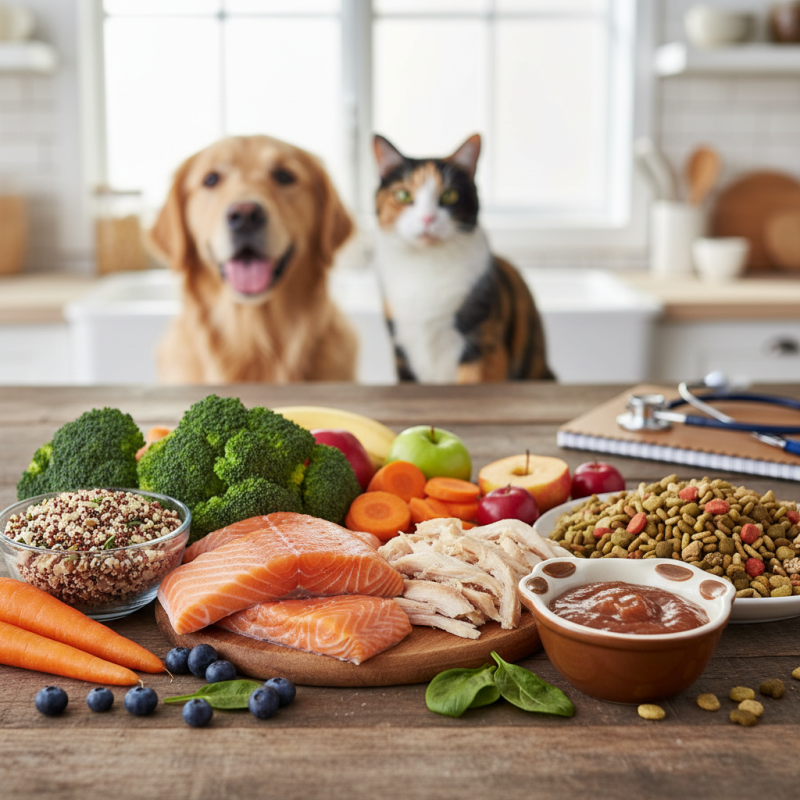
When selecting high-quality pet food, focus on the ingredients listed. High-quality options often begin with real meat, which should be the first ingredient. Look for protein sources like chicken, beef, or fish. Additionally, avoid products with vague terms like "meat by-products" or "animal meal." These can indicate lower quality and less nutritional value.
Whole grains and vegetables are also important. Ingredients such as brown rice, sweet potatoes, or peas provide valuable fiber and nutrients. High-quality food typically includes whole food sources rather than fillers that offer little nutritional benefit.
**Tips:** Check for the presence of vitamins and minerals, such as vitamin E or omega fatty acids; these contribute to your pet’s health. Also, consider the sourcing of ingredients. A transparent company will often detail where their components come from. Always read labels carefully and research any unfamiliar ingredients.
Understanding pet food labels is crucial for ensuring your furry friend receives a high-quality diet. Look for ingredients listed in descending order by weight. The first few items should ideally be meat, not fillers. According to the Association of American Feed Control Officials (AAFCO), a complete diet should include high-protein sources and essential nutrients. Notably, pets need at least 25% protein in their daily intake for optimal health.
Tip: Always check for AAFCO statements on the packaging. This indicates that the food meets specific nutritional standards. It’s a good marker of quality.
Nutritional information should include guaranteed analysis, which shows minimum percentages of crude protein and fat, and maximum percentages of fiber and moisture. A product with high moisture content may contain fewer nutrients. Striking balance is key. Pet food can vary widely in quality, and understanding these labels is not straightforward.
Tip: Consider your pet's specific needs. They may require higher protein or certain vitamins, depending on their age and health. The right choice can take time. Analyzing labels critically can help you make a better decision for your pet's wellbeing.
| Aspect | Description | What to Look For |
|---|---|---|
| Ingredient Quality | High-quality pet food contains whole ingredients and named sources of protein. | Look for specific meats (e.g., chicken, beef) rather than vague terms like "meat by-products." |
| Nutritional Value | A balanced diet is critical for pets, including proper vitamins and minerals. | Check for AAFCO statements that confirm nutritional adequacy. |
| Ingredient List | The order of ingredients can indicate the quality; the first few should be high-quality proteins. | Review the first five ingredients carefully for quality. |
| Source of Ingredients | Quality pet food often sources ingredients from reputable suppliers. | Look for foods that disclose the sourcing of their ingredients. |
| Preservatives | High-quality pet foods use natural preservatives instead of artificial ones. | Avoid foods with BHA, BHT, or ethoxyquin. |
| Grain vs. Grain-Free | Consider your pet's health; some may benefit from grain-free diets while others may not. | Consult with a vet to determine the best diet for your pet. |
| Company Reputation | Research the manufacturer's reputation and history of recalls. | Choose brands with positive reviews and transparency. |
| Feeding Guidelines | Specific feeding guidelines can show how transparent a company is about pet nutrition. | Check if the guidelines align with your pet’s needs. |
| Customer Reviews | Customer feedback can give insights into how well the food is received by pets. | Look for reviews discussing improvements in pet health and vitality. |
| Price Point | Quality often correlates with cost, but be wary of overpriced brands. | Compare prices of various high-quality options to find value. |
When evaluating pet food, the manufacturer plays a crucial role. Researching a company's reputation can reveal its commitment to quality. A company that prioritizes transparency and customer feedback is typically a reliable choice. Look for manufacturers who share their standards and sourcing practices.
Tip: Visit the company’s website. Check for certifications and quality control processes. A well-regarded manufacturer often provides information about their sourcing and production practices. Compare their stated values with reviews from pet owners. This can help you gauge trustworthiness.
Trusted brands often have a history of success. Seek out companies with a solid track record. Investigate any recalls or controversies surrounding their products. An honest company addresses issues openly and shows improvement.
Tip: Follow industry news. Trends and updates can inform you about companies’ standings. Engaging with online communities can provide insights into various manufacturers. Be cautious of biases; opinions can vary widely.
Choosing high-quality pet food is essential for your pet’s health. One crucial step is checking for AAFCO compliance. AAFCO, the Association of American Feed Control Officials, sets guidelines for animal food marketing and nutritional adequacy. When a product adheres to AAFCO standards, it meets specific criteria for nutrient levels and safety.
Look for statements on the packaging indicating the food is formulated to meet AAFCO guidelines. AAFCO-approved labels often show clear nutritional profiles, detailing the ingredients used. These profiles help pet owners make informed choices. It's important to examine these details closely. For example, if the food lacks essential fatty acids or certain vitamins, it may not be balanced.
However, don’t solely rely on AAFCO compliance as the ultimate marker of quality. It’s also vital to look beyond the label. Research the ingredient sources and manufacturing processes of the food. Transparency from the manufacturer can indicate a commitment to quality. Mistakes can happen, and not every product labeled as compliant is perfect. Reflection on these aspects will enrich your understanding of pet nutrition and help you choose wisely.
When evaluating pet food, ingredient sourcing is crucial. High-quality pet food should prioritize transparency in its ingredients. According to a 2021 report by the Association of American Feed Control Officials (AAFCO), pet food labels must clearly state ingredients. Familiar ingredients, like whole meats and diverse vegetables, indicate quality. However, some brands use vague terms like "meat meal," making it hard to assess their origin and nutritional value.
Look for brands that provide detailed information about their sourcing practices. Transparency elevates trust. A study by the Pet Food Manufacturers Association (PFMA) found that 62% of pet owners want clarity about ingredient origins. Sustainable practices also matter. Whether sourced locally or internationally, responsible harvesting reflects the company's commitment to quality. Yet, not all brands uphold these standards, leading to potential health risks for pets.
Understanding ingredient sourcing empowers consumers. Brands that communicate their practices foster loyalty and confidence. But sadly, many lack this transparency. It’s essential for pet owners to question and seek information. Without it, choosing the right food becomes a gamble. The well-being of pets depends on informed decisions driven by reliable sourcing data.
This chart illustrates the quality assessment scores for different dimensions of pet food quality, including ingredient quality, nutritional value, sourcing transparency, manufacturing standards, and recall history. Higher scores indicate better quality assessment based on various criteria.
: Real meat should be the first ingredient, like chicken or beef.
"Meat by-products" indicate lower quality and less nutritional value.
Whole grains like brown rice and vegetables like sweet potatoes are nutritious options.
Look for AAFCO statements on the packaging, indicating it meets specific nutritional guidelines.
It shows minimum protein and fat, and maximum fiber and moisture percentages.
A reputable manufacturer shows commitment to quality and transparency in sourcing.
Visit their website to check certifications and quality control practices.
Your pet may need higher protein or certain vitamins depending on age and health.
Regular label analysis helps ensure your pet gets the right nutrition each time.
Look for companies that openly share their sourcing and production practices.
When considering how to tell if pet food is high quality, it's essential to focus on several key factors. First, examine the ingredient list for high-quality components, such as named animal proteins and whole grains, which indicate nutritional value. Understanding pet food labels is also crucial; look for clear nutritional information that outlines appropriate levels of protein, fats, and other essential nutrients.
Additionally, evaluating the manufacturer is important; a reputable company with positive reviews and established standards typically produces better products. Compliance with AAFCO regulations can further assure nutritional adequacy. Finally, assessing ingredient sourcing will provide insight into the quality and transparency of the food, ensuring that your pet receives the best possible nutrition.
