Choosing the right amino acids for pet food is essential. These nutrients play a vital role in your pet's overall health. Understanding amino acids for pet food can enhance your pet's diet significantly.
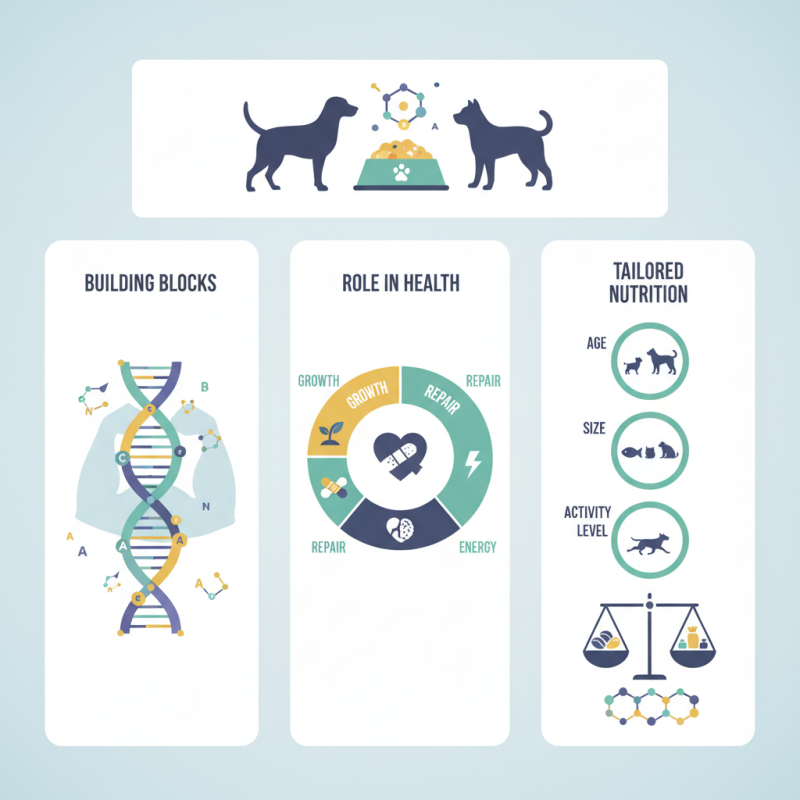
Pet owners often overlook the importance of amino acids. They are the building blocks of proteins. Proteins are crucial for growth, repair, and energy. Each amino acid has a unique function, and a balanced diet is important. Missing one can impact your pet's health in noticeable ways.
Consider your pet's specific needs. Age, size, and activity level all play a role. Too many or too few amino acids can lead to issues. Some ingredients may not provide complete amino acids for your pet. As you explore options, reflect on your choices. Your pet deserves the best nutrition to thrive.
Understanding the Role of Amino Acids in Pet Nutrition
Amino acids are vital in pet nutrition. They serve as the building blocks of proteins. Pets, like dogs and cats, need these nutrients for growth and health. Essentially, there are 22 amino acids. Among them, 10 are essential for pets. They cannot produce these on their own and must obtain them from food. According to research from the Pet Food Institute, proper amino acid levels improve overall pet health.
Inadequate amino acid intake can lead to serious health issues. Pets may experience muscle loss, poor immune function, and skin problems. A study in the Journal of Animal Science suggested a direct link between amino acid deficiency and reduced energy levels in pets. It's crucial to analyze ingredients in pet food. Not all protein sources offer balanced amino acids. For example, animal-based proteins tend to provide a complete amino acid profile, unlike many plant proteins.
Choosing the right amino acids involves careful consideration. You may notice variations in formulations. Some pet foods might look appealing but lack essential nutrients. Make informed decisions by reviewing nutritional analyses. Research shows that 30% of pet owners don't understand amino acid requirements for their pets. This gap in knowledge can be detrimental. Prioritize quality and a balanced nutrition plan for your pets.
Identifying Essential Amino Acids for Pets
Identifying essential amino acids for pets is crucial for their overall health. Pets, like cats and dogs, require specific amino acids that their bodies cannot synthesize. According to a report by the Association of American Feed Control Officials (AAFCO), there are ten essential amino acids for cats and dogs. These include taurine, arginine, and lysine. Each plays a unique role in metabolism and growth.
Amino acids like taurine are vital for heart health. A deficiency can lead to serious issues, especially in cats. Meanwhile, arginine is essential for removing ammonia from the body. Failure to include it can have severe consequences. Yet, many pet food manufacturers overlook these critical nutrients. This lack of awareness may lead to nutritional imbalances.
Choosing the right amino acids means considering your pet's specific needs. Factors like age, breed, and activity level matter greatly. For example, active dogs require more protein to support their muscle health. Thus, not every food is suitable for every pet. Evaluating ingredient labels can be overwhelming and often confusing. It's essential to prioritize quality sources of protein, ensuring pets receive adequate essential amino acids.
Evaluating Different Sources of Amino Acids in Pet Foods
Evaluating different sources of amino acids in pet foods is crucial for optimal pet nutrition. Protein quality varies greatly among sources. Animal-based proteins, like meat and fish, offer complete amino acids. They are easily digestible and highly bioavailable. Reports suggest that 70% of a pet's protein should come from these sources for better nutrient absorption.
Plant-based proteins, on the other hand, are often incomplete. Legumes and grains have lower digestibility. Their amino acid profiles can lead to nutritional gaps. A study found that 20% of dogs with plant-based diets showed signs of amino acid deficiencies. This raises concerns for pet owners, highlighting the need for a balanced approach.
However, incorporating a blend of protein sources can be beneficial. Understanding amino acid profiles helps formulate well-rounded diets. Yet, commercial pet food might not always disclose these details. Transparency remains a challenge in the industry. Choosing the right amino acids demands careful evaluation of ingredient sources. This process can involve trial and error to find the right balance for each pet's needs.
Evaluation of Amino Acid Sources in Pet Food
Assessing Specific Nutritional Needs of Various Pet Breeds
When choosing amino acids for pet food nutrition, it's essential to consider the specific needs of different breeds. Dogs and cats metabolize amino acids differently. For example, larger breeds require more protein to support muscle development. According to a 2020 study by the American Animal Hospital Association, large breed puppies need 22% protein in their diet. This ensures they grow at a healthy rate without becoming overweight.
Cats, on the other hand, are obligate carnivores. They need higher levels of certain amino acids, like taurine. A report from the Journal of Animal Science indicates that a lack of taurine can lead to serious health issues in felines. This critical nutrient must be included in cat food formulations to prevent deficiencies, especially in breeds prone to cardiovascular problems.
Some pet owners might overlook the unique dietary needs of mixed breeds. For instance, these animals can inherit varying nutritional requirements from their parents. It’s not uncommon for a mixed breed dog to display allergies or sensitivities that require adjustments in their amino acid intake. This complexity often leads to trial-and-error in finding the right blend of nutrients that suit them best. It’s a reminder that tailored nutrition plays a crucial role in pet health.
Guidelines for Balancing Amino Acids in Homemade Pet Diets
When creating homemade pet diets, balancing amino acids is vital for optimal nutrition. Pets require specific amino acids for growth, maintenance, and energy. Studies show dogs need at least 22 amino acids, while cats need 11 essential ones. These numbers are crucial for their health.
Incorporating a variety of protein sources can help in achieving a balanced amino acid profile. Animal proteins like chicken and fish are excellent for dogs. For cats, muscle meats and organ meats provide necessary nutrients. Research indicates that a diet lacking essential amino acids can lead to deficiencies. Symptoms may include lethargy and poor coat condition.
It's important to monitor the diet's balance. Sometimes, even with the right ingredients, ratios may not be ideal. For instance, a diet with too much plant protein might not offer sufficient essential amino acids. An analysis or consulting a pet nutritionist can help in remedying such issues. Finding the right balance can be a challenging journey. It demands constant learning and adjustment.
How to Choose Amino Acids for Pet Food Nutrition? - Guidelines for Balancing Amino Acids in Homemade Pet Diets
| Amino Acid |
Recommended Daily Intake (g) |
Sources |
Function |
| Lysine |
1.5 - 3.0 |
Meat, fish, eggs |
Growth and repair of tissues |
| Methionine |
0.5 - 1.0 |
Meat, eggs, dairy products |
Antioxidant properties, detoxification |
| Taurine |
0.1 - 0.5 |
Meat, fish, and shellfish |
Heart function, vision clarity |
| Arginine |
0.8 - 1.5 |
Meat, poultry, dairy |
Urea cycle, wound healing |
| Histidine |
0.5 - 1.0 |
Meat, fish, nuts |
Formation of hemoglobin, role in metabolism |
Conclusion
Amino acids play a crucial role in pet nutrition, serving as the building blocks for proteins essential to overall health. Understanding the different types of amino acids, especially essential ones that pets cannot synthesize, is vital for formulating a balanced diet. Evaluating various sources of amino acids for pet food can help pet owners ensure their animals receive adequate nutrition, particularly from high-quality proteins such as meat, fish, and certain plant-based options.
Different pet breeds have unique nutritional needs; therefore, it is essential to assess these requirements when considering amino acids for pet food. For those preparing homemade diets, guidelines for balancing amino acids help ensure pets receive a well-rounded nutrition that supports their growth and well-being. By carefully selecting and balancing amino acids, pet owners can significantly contribute to their pets' health and longevity.

 Mels Pet