How to Choose Food for Picky Eaters?

Time:2026-11-22 Author:Isabella
0%

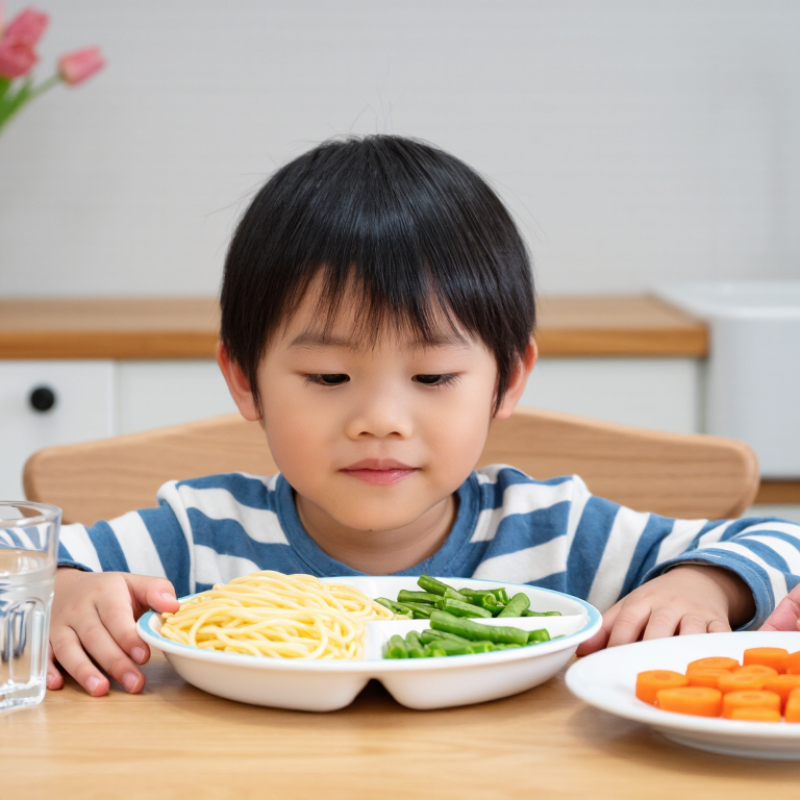
How to choose food for picky eaters is less about finding a perfect product and more about making meals feel safe, manageable, and nourishing. A child who rejects green beans today may tolerate them beside familiar pasta next week. Small details matter: texture, smell, serving size, and whether foods touch on the plate. There is no single food that works for every child. A calm meal can matter as much as what is served.

Ellyn Satter, a registered dietitian and family therapist known for her feeding framework, puts the roles simply: “Parents provide, children decide.” That guidance can help caregivers offer balanced choices without turning dinner into a negotiation. For example, serve one accepted food alongside a small taste of something new, and let the child decide whether to try it. Keep portions modest. Avoid pressure. Repeated exposure may help, but it does not guarantee acceptance.

This guide explores how to choose food for picky eaters by considering nutrition, sensory preferences, age-appropriate safety, and practical routines. It also looks at labels, ingredient quality, and ways to introduce variety without disguising every disliked food. Progress may be uneven. Some meals will still end with untouched carrots, and that is worth noticing rather than hiding. A child’s ongoing refusal, growth concerns, or very limited range deserves a conversation with a pediatrician or registered dietitian. Helpful choices should reduce stress while supporting health—not promise a quick fix.
How to Choose Food for Picky Eaters?

Understanding Picky Eating Patterns and Individual Needs

Picky eating is not one behavior. A child may reject mixed textures but happily eat plain rice, while another avoids strong smells or unfamiliar colors. Notice what happens before a refusal: time of day, appetite, setting, and who is present. Patterns matter more than one untouched plate. Small clues help.

For several days, note accepted foods, rejected textures, and snacks between meals. Include what your child eats at school, not just at home. A limited menu may still offer variety across familiar foods, so look at the whole week. Serve a small portion of a new food beside something trusted. Let your child touch or smell it before tasting. Calm, repeated exposure may help, but progress can be slow. It is easy to expect one brave bite to change everything. Often, it does not.

Needs differ with age, appetite, sensory sensitivities, culture, and health. A child who eats little at dinner may have had a filling afternoon snack. Keep meals and snacks predictable, without pressure or food bargains. Even a careful food log can miss the reason; appetite changes from day to day. If food choices shrink sharply, eating causes distress, growth seems to falter, or swallowing is difficult, seek advice from a pediatric clinician.

Assessing Nutritional Requirements and Dietary Restrictions

How to Choose Food for Picky Eaters?

Assessing Nutritional Requirements and Dietary Restrictions

A picky eater’s needs depend on age, growth, activity, and health—not just how many foods they accept. Look at the whole week, rather than judging one unfinished dinner. Include familiar sources of protein, carbohydrates, fats, fruits, and vegetables when possible. A child who avoids dairy, for example, may need suitable alternatives that provide calcium and vitamin D. Check labels for allergens and ingredients that must be avoided. When growth, energy, or intake raises concern, ask a pediatrician or registered dietitian for individual guidance. Guessing can miss important details.

Tips: Keep a brief food log for several days, noting meals, snacks, drinks, and reactions. Offer one familiar food beside a small portion of something new. Avoid pressure; repeated, relaxed exposure may help, though progress can be slow. Small steps matter.

It is tempting to focus on vegetables alone, but that can hide gaps elsewhere. Consider iron-rich foods, fiber, and fluids, while respecting medical restrictions and sensory preferences. For allergies or a diagnosed condition, follow advice from the child’s healthcare professional rather than removing whole food groups on your own. Needs can change, too, so review the plan as the child grows. No checklist fits every family.

Choosing Foods with Suitable Flavors, Textures, and Variety

Picky eating can make dinner feel like a negotiation. It helps to consider flavor, texture, and variety separately. A child who refuses roasted carrots might accept thin, cool carrot ribbons. The taste is familiar, but the crunch changes the experience. Small adjustments can make a meal feel less intimidating.

Keep strong flavors optional. Serve a mild main dish with lemon, herbs, or a small bowl of sauce on the side. For texture, pair something soft, like rice, with crisp cucumber slices. Offer just one unfamiliar food beside something the child already enjoys. A tiny portion counts as an introduction. No pressure.

Variety does not mean serving a different meal every night. Rotate colors, shapes, and simple preparations across the week, while keeping a few dependable foods available. It is easy to assume a first refusal means a food is permanently disliked; that may be wrong. Preferences can shift, though repeated pressure may make meals more stressful. Notice what gets tasted, not only what gets finished. If food restrictions affect growth or leave out whole food groups, discuss them with a pediatric health professional.

Introducing New Foods Gradually and Consistently

A familiar meal can feel safer to a picky eater than a new food. Introduce unfamiliar foods in small, low-pressure ways. Place a teaspoon of steamed peas beside a trusted favorite, rather than replacing the whole meal. Keep the rest of the plate familiar. Let your child look, smell, or touch the food without being asked to eat it. That still counts as exposure. Offer the food again on another day; acceptance may take several tries, and every child’s pace is different.

Consistency matters more than making each tasting a success. Serve the same food in different simple forms, such as soft carrot coins one day and grated carrot another. Eat it yourself and describe its texture plainly: “This is crisp,” or “The inside is soft.” Avoid bargaining or insisting on one more bite, which can make mealtimes tense. Some days, a child may ignore a food they tasted yesterday. That can be frustrating. It is also a useful reminder that progress is uneven, and one meal rarely tells the whole story.

Adjusting Food Choices Based on Acceptance and Nutrition

Choosing food for a picky eater means balancing what a child will accept with what supports growth. Start with one familiar food and add a small portion of something new, such as soft roasted carrot beside plain rice. Keep the new item separate if mixed textures cause concern. Small steps count. Offer foods without pressure, and let the child decide whether to taste them. Repeated, calm exposure may help, though acceptance can take time and is never guaranteed.

Build variety across the day rather than expecting every meal to be perfectly balanced. If a child refuses spinach, try other sources of iron and folate, such as beans or eggs, when appropriate. Pair foods thoughtfully: fruit with yogurt, or lentils with rice, can make a meal both familiar and nourishing. Watch for patterns in texture, temperature, and flavor; a cool, crisp cucumber may be accepted where a warm one is not. Keep portions modest, and avoid turning bites into a test. Caregivers sometimes assume a child dislikes a food after one refusal; that guess may be wrong. If eating remains very limited, growth is a concern, or meals cause distress, discuss it with a pediatric health professional.

FAQS

How can I make a familiar food feel less intimidating?

Change its shape or texture. Thin, cool carrot ribbons may feel easier than roasted carrots. Small changes matter.

Should I hide a new food in a meal?

Not necessarily. Serve a small piece beside a familiar food, such as roasted carrot next to plain rice. Keep it separate if mixed textures worry your child.

What if my child refuses a food once?

One refusal does not always show a lasting preference. Offer it calmly again another day, without pressure. It may take time.

How can I add variety without making a new dinner every night?

Rotate colors, shapes, and simple preparations during the week. Keep dependable foods available, too. No big overhaul.

What if my child dislikes strong flavors?

Keep lemon, herbs, or sauce on the side. The main dish can stay mild, with a small bowl of sauce nearby.

How can I balance nutrition with foods my child accepts?

Build variety across the day instead of expecting every meal to be perfect. Beans or eggs may offer alternatives when spinach is refused, if suitable.

Can temperature or texture affect whether a food is accepted?

Yes, preferences may differ. A child might accept cool, crisp cucumber but refuse warm cucumber. I may be overthinking one meal, though.

When should I ask a health professional for help?

Talk with a pediatric health professional if eating remains very limited, growth is a concern, or meals cause distress. Don’t make every bite a test.

Conclusion

How to choose food for picky eaters starts with understanding why someone rejects certain foods and recognizing that preferences, sensory sensitivities, routines, and nutritional needs vary from person to person. Consider age, activity level, health needs, allergies, and other dietary restrictions when selecting meals. Then look for foods with appealing flavors and textures, while offering enough variety to support balanced nutrition without making every meal feel unfamiliar.

Introduce new foods gradually and consistently, alongside familiar options, and keep the experience calm and pressure-free. Small portions and simple preparation can make unfamiliar foods easier to explore. Pay attention to what is accepted, what is refused, and whether the overall diet provides a suitable range of nutrients. Over time, adjust choices based on these observations, continuing to offer balanced options while respecting individual preferences.

Isabella

Isabella

Isabella is a dedicated marketing professional with a sharp focus on driving brand growth and engagement through strategic content creation. With an extensive background in digital marketing, she combines her passion for storytelling with her keen understanding of industry trends to deliver......