Choosing the right food for your pets is essential for their health and happiness. As responsible pet owners, we often find ourselves debating between wet and dry food options. Many may ask, "Why is wet food better than dry for some pets?" The truth lies in understanding our pets’ unique needs.
Wet food offers higher moisture content, which can help keep your pet hydrated. This is especially important for cats and some small dogs, who may not drink enough water. Additionally, wet food tends to be more palatable. Its aroma and texture can entice picky eaters, ensuring they receive necessary nutrients.
However, not all pets thrive on wet food. Some may experience digestive issues or weight gain. Therefore, it’s crucial to observe your pet’s reactions and consult with a veterinarian. Each pet has a distinct set of requirements, making it vital to find what works best for them. Balancing these factors will lead to informed decisions about their diet.
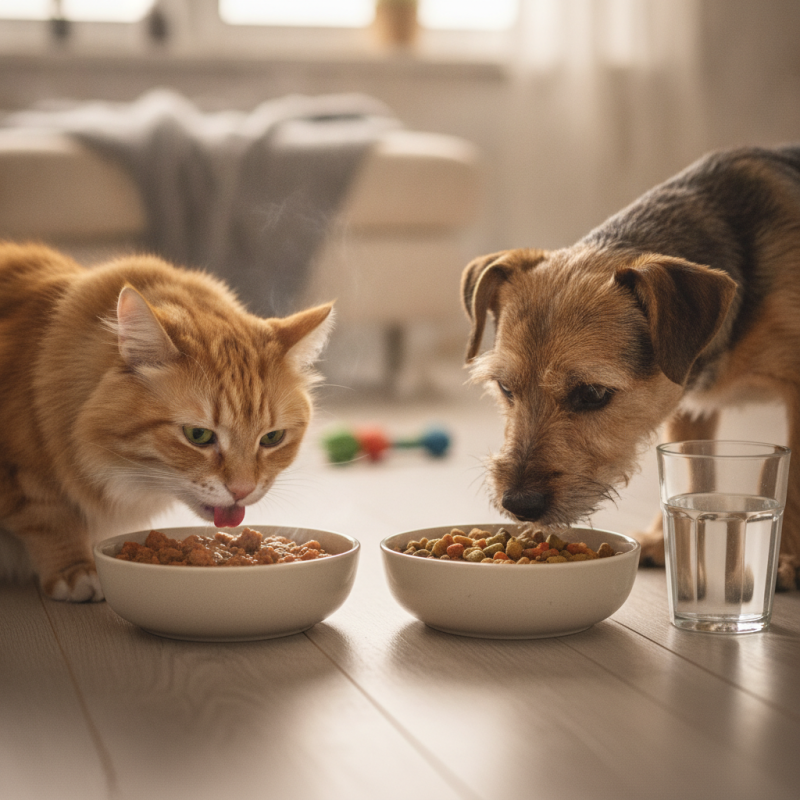
When considering pet nutrition, understanding the differences between wet and dry food is crucial. Wet food typically contains higher moisture levels, which can be beneficial for pets that may struggle to stay hydrated. Cats, in particular, often prefer wet food due to its aroma and texture. This food type can enhance their overall water intake, supporting kidney health.
On the other hand, dry food is often more convenient and shelf-stable. However, it can lack moisture, which may not be ideal for all pets. Some dogs and cats may not drink enough water to balance a dry food diet. It's essential to observe your pet's habits and needs. Are they eating enough? Are they drinking enough water? Finding the right balance can take time and adjustment.
Examining your pet's health status is also vital. If they have specific health concerns, such as urinary tract issues, wet food might be a better option. But not all pets enjoy wet food, which could lead to food refusal. Rather than sticking strictly to one type, consider alternating or mixing both to create a balanced diet. This approach recognizes the unique preferences and nutritional needs of your pet.
: Wet food has higher moisture levels, while dry food is more convenient and shelf-stable.
Wet food enhances hydration, which is beneficial for pets with kidney issues or those that don’t drink enough water.
Observe if they eat and drink enough. They may refuse food if it doesn't suit their taste or texture.
Yes, alternating or mixing food types can cater to unique preferences and nutritional needs.
Puppies and older pets often need wet food for hydration. Adult pets may benefit from both for variety.
Pets with dental issues may find wet food easier to chew, while others may prefer dry for its dental health benefits.
Wet food usually costs more per serving, but buying in bulk can be cost-effective in the long run.
Wet food needs refrigeration after opening, which can lead to waste, while dry food can be stored conveniently.
Reassess their preferences and portion sizes. They may dislike the flavor or need a different texture.
Regularly monitor their reactions and consult a veterinarian to refine their diet as their needs change over time.
Choosing wet food over dry food for your pets can significantly impact their health and well-being. Understanding the nutritional needs of pets is essential, as wet food often contains more moisture, which is beneficial for hydration and digestion. When comparing ingredients and nutritional value, wet food tends to have higher meat content and fewer fillers, making it more appealing and nutritious.
Health considerations and life stages also play a critical role in this decision; younger pets may require more protein while older pets might benefit from softer food that is easier to chew. Furthermore, many pets prefer the taste and texture of wet food, which can enhance their overall eating experience. Finally, while wet food may be more expensive and require different storage methods, the benefits it provides often justify these factors. In summary, the question of "Why is wet food better than dry for some pets?" can be answered through its superior moisture content, nutritional value, and palatability.

 Mels Pet