When we think about our furry companions, their health is paramount. Many pet owners wonder how to make homemade pet food safely. This process can be rewarding but also requires careful planning. Providing fresh, nutritious meals for pets can enhance their overall well-being. However, it is essential to consider balanced nutrition and avoid harmful ingredients.
Creating pet food at home isn't as simple as mixing random ingredients. You need to research suitable recipes and understand your pet's dietary needs. For instance, dogs and cats have different nutritional requirements. Using the wrong ingredients might lead to health issues over time. Always consult a vet before changing your pet's diet.
With homemade food, the potential for contamination exists. Proper food handling practices are crucial to prevent illnesses. Keep your kitchen clean, and store ingredients safely. Remember, trial and error may lead to some mistakes. Learning what works for your pet could take time. Ultimately, the effort can lead to a happier, healthier furry friend.
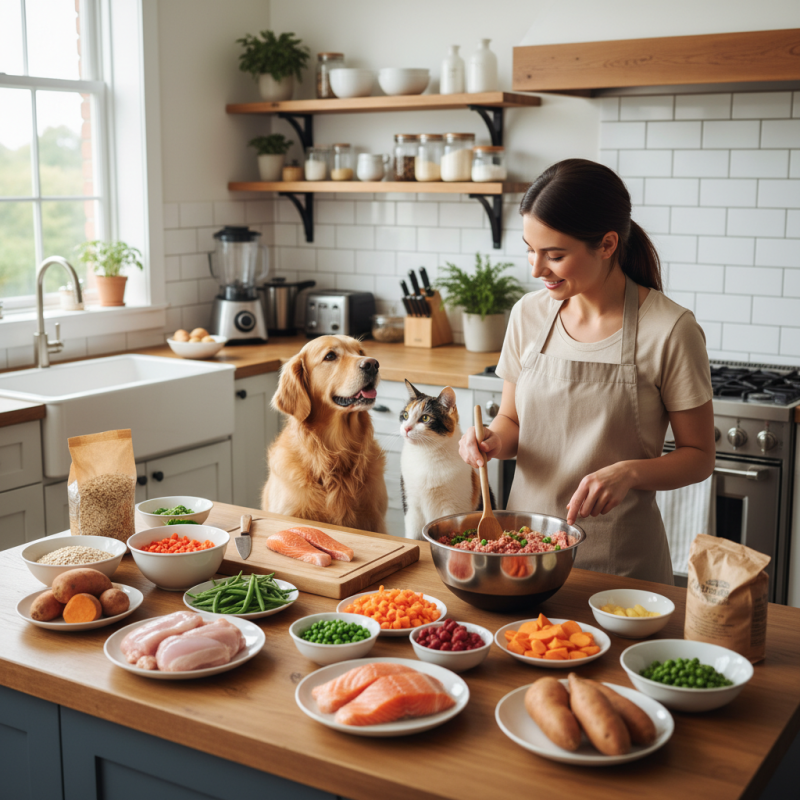
When making homemade pet food, choosing the right nutritional ingredients is crucial. A balanced diet for pets includes protein, carbohydrates, fats, vitamins, and minerals. According to the Association of American Feed Control Officials (AAFCO), each of these components plays a vital role. Protein supports muscle maintenance. Carbohydrates provide energy, while fats keep their coat shiny.
High-quality protein sources include chicken, beef, and fish. Pet owners should avoid preservatives and artificial fillers. Whole grains like brown rice and oats are excellent carbohydrate choices. They provide fiber and nutrients. However, some pets may have allergies. In such cases, consider alternatives like sweet potatoes or quinoa.
Fruits and vegetables can enrich your pet’s diet too. Blueberries and carrots are often well-tolerated and packed with vitamins. But be cautious; not all human foods are safe. A recent study reported that certain common foods, like grapes and onions, are toxic to pets. Regularly reviewing and adjusting your recipes is important, ensuring your pet receives a balanced diet. Reflect on their health and energy levels. This can indicate whether the homemade food is effective.
When creating homemade pet food, understanding the dietary needs of your furry friends is crucial. Different pets require various nutrients. Dogs need protein, carbohydrates, and healthy fats. Cats, on the other hand, are obligate carnivores. They need high protein and specific vitamins like taurine. Each pet's size, age, and health condition also play a role in their dietary needs.
It's important to do thorough research. Use reliable sources to determine what ingredients are suitable. A common oversight is assuming that what is good for one pet is good for another. Some pets may have allergies or sensitivities. Always keep an eye on your pet's reaction to new foods. It can take time to find the right balance. Experimenting with different recipes helps refine what works best.
While preparing homemade food, cleanliness is essential. Ensure your cooking area is sanitized. Store food in airtight containers to keep it fresh. Yet, mistakes can happen, like using expired ingredients unintentionally. Regularly review your pet's diet for signs of improvement or issues. This process requires patience and flexibility. Remember, there’s no one-size-fits-all approach to homemade pet food.
Preparing homemade pet food can be rewarding, but safety is crucial. According to the Association of American Feed Control Officials (AAFCO), about 60% of pet owners now prefer homemade diets. However, many overlook proper food handling techniques.
Begin by maintaining a clean workspace. Bacteria can easily spread from countertops to food. Use separate cutting boards for meat and vegetables. This reduces contamination risk. Research shows that around 75% of pet food-related illnesses stem from improper handling. Always wash your hands before and after food preparation.
It's also vital to cook meat thoroughly. Undercooked meats can harbor harmful pathogens. Two in five foodborne illnesses in pets are linked to raw meats. Monitor temperatures with a food thermometer. After cooking, store the food in airtight containers. Refrigerate leftovers promptly to prevent spoilage. Pet food safety may seem straightforward, but small oversights can lead to significant health risks for your furry friends.
Creating homemade pet food can be a rewarding experience for pet owners. Simple recipes can ensure your furry friends eat healthily. Many pets enjoy chicken, vegetables, and rice. You can mix these ingredients for a nutritious meal. Avoid using too much salt or sugar. Your pets don’t need added flavors.
**Tip:** Always introduce new foods gradually. Monitor your pet for any adverse reactions. If they show signs of discomfort, revert to their old diet.
Consider incorporating fish or sweet potatoes into their meals. These ingredients provide essential vitamins. You could also experiment with oats. However, be careful with the proportions. Too much of a good thing can lead to tummy troubles.
**Tip:** Keep a food diary for a week. Document what your pet eats and how they respond. This will help you adjust recipes for their specific needs. Remember, variety is key, but balance is crucial. Don’t hesitate to ask your vet about any concerns. They can offer guidance tailored to your pet’s health.
| Recipe Name | Main Ingredients | Benefits | Preparation Time |
|---|---|---|---|
| Chicken & Rice | Chicken breast, brown rice, carrots, peas | High protein, easily digestible, good for recovery | 30 minutes |
| Beef & Veggie Stew | Ground beef, sweet potatoes, green beans, peas | Rich in iron, supports muscle health, fiber-rich | 1 hour |
| Salmon & Sweet Potato | Canned salmon, sweet potato, spinach | Omega-3 fatty acids, good for skin and coat | 25 minutes |
| Lentil & Chicken Soup | Lentils, chicken, carrots, celery | High fiber, protein-rich, helps with digestion | 40 minutes |
| Turkey & Quinoa | Ground turkey, quinoa, carrots, peas | Complete protein, supports muscle growth | 35 minutes |
When preparing homemade pet food, storage is crucial. After cooking, let the food cool before placing it in containers. Use airtight containers to keep freshness intact. Glass or BPA-free plastic containers are ideal choices. They prevent unwanted odors and moisture from ruining your efforts.
Once stored properly, consider the shelf life. Refrigerated homemade pet food typically lasts 3 to 5 days. If you want to keep it longer, freezing is an option. Frozen food can last for several months. However, be sure to label your containers with dates. This helps you track freshness and avoid feeding your pet expired food.
Keep in mind that not all ingredients maintain quality over time. Some vegetables may lose their nutrients quickly. Proteins can develop unwanted flavors if left too long. Regularly inspect your stored food for signs of spoilage. If it looks or smells off, it’s safer to discard it. Remember that safety is key when it comes to keeping your furry friends healthy.
: A balanced diet includes protein, carbohydrates, fats, vitamins, and minerals.
Chicken, beef, and fish are great protein options for pets.
Whole grains like brown rice and oats are healthy and provide fiber.
Consider alternatives like sweet potatoes or quinoa for pets with allergies.
Blueberries and carrots are nutritious options that pets often tolerate well.
Foods like grapes and onions are toxic and should never be given to pets.
Check your pet's health and energy levels to see if the diet works.
Different pets have specific dietary needs, so researching ingredients is key.
Cleanliness in the cooking area and proper food storage are very important.
Regularly review your pet’s reactions and adjust recipes as needed for balance.
In the quest to provide the best nutrition for our furry companions, knowing "how to make homemade pet food safely" is essential. This involves selecting appropriate nutritional ingredients tailored to the specific dietary needs of various pets, whether they be dogs, cats, or other animals. Understanding these needs helps in creating balanced meals that support their overall health.
Safe food preparation and handling are crucial steps to prevent contamination and ensure the food is safe for consumption. Additionally, exploring simple and healthy DIY pet food recipes can empower pet owners to make nutritious meals at home. Lastly, it's important to consider storage and shelf life to maintain the quality and freshness of the homemade pet food. By following these guidelines, pet owners can confidently provide wholesome meals for their beloved pets.
