Portion control is crucial for maintaining your pet's health. Many pet owners underestimate the impact of overfeeding. Obesity in pets leads to serious health issues, including diabetes and joint problems. By understanding why portion control is important for pets, owners can make informed choices.
Each pet has specific dietary needs based on size, age, and activity level. Measuring food prevents unnecessary weight gain and promotes a healthier lifestyle. However, many owners struggle with proper serving sizes. It's not just about how much to feed but also the quality of food.
Taking time to understand your pet's unique requirements is essential. Regular vet check-ups can guide owners in making better dietary choices. Reflecting on feeding habits might reveal areas for improvement. Ultimately, responsible portion control supports a long, happy life for pets.
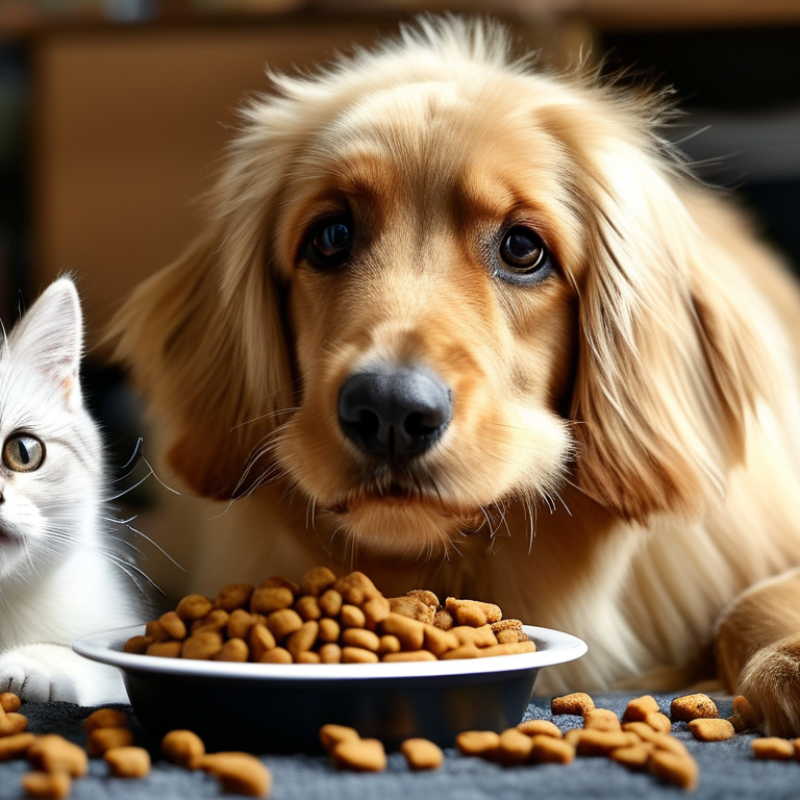
Portion control is crucial in pet nutrition. Many pets are overweight or obese. This can lead to serious health issues. Obesity can decrease your pet's lifespan. It also affects their quality of life.
Understanding how much to feed your pet can be tricky. It involves knowing their ideal weight and daily calorie needs. A simple guideline is to observe your pet’s body condition score. You should be able to feel their ribs without too much pressure. This tactile feedback is vital for ensuring that you're not overfeeding.
Adjustments may be necessary over time. Age, activity level, and health conditions can change a pet's dietary needs. Eating too much can lead to lethargy and reduced mobility. Owners may find it hard to resist their pet’s pleading eyes. That’s perfectly normal, yet it's essential to keep portion sizes in check. Monitor their food intake carefully and be consistent. Every pet deserves a healthy lifestyle.
| Aspect | Details |
|---|---|
| Optimal Weight | Maintains healthy body weight for pets, reducing the risk of obesity-related diseases. |
| Diet Balance | Ensures a balanced intake of nutrients necessary for overall health. |
| Feeding Routine | Establishes a regular feeding schedule, reinforcing discipline and healthy eating habits. |
| Preventing Overeating | Reduces the likelihood of pets overeating, which can lead to health issues like diabetes. |
| Digestive Health | Portion control can improve digestion and prevent gastrointestinal issues. |
Obesity in pets is a growing concern. Studies show that over 50% of dogs and cats in the U.S. are overweight or obese. This condition leads to serious health issues like diabetes, arthritis, and heart disease. The Association for Pet Obesity Prevention reported that these problems can significantly shorten a pet's lifespan. Proper portion control is essential in combating this epidemic.
One effective strategy is to measure your pet's food. Using a standard cup can help ensure the right serving size. It’s also vital to follow veterinarian guidelines on daily caloric intake. Adjusting portions based on your pet's activity level can yield better results.
Another key practice is to avoid using food as a reward. Instead, use toys or playtime for positive reinforcement. Feeding pets scheduled meals instead of free-feeding can help manage their weight. Always monitor their body condition score. A little reflection on your pet's eating habits can prevent serious health issues.
Portion control plays a crucial role in determining the long-term health of pets. Overfeeding can lead to obesity, joint issues, and diabetes. Pets might not show signs of weight gain until it's too late. Maintaining a healthy weight is essential for prolonging their lifespan and enhancing their quality of life.
It's vital to be aware of the right portion sizes for your pet’s breed and age. Many pet owners underestimate their pet’s daily needs. Using measuring cups can help ensure accuracy while serving meals. Consider dividing food into smaller meals throughout the day. This can boost metabolism and keep energy levels balanced.
Monitoring your pet's weight regularly is also important. Regular check-ups with a vet can provide valuable insights into any changes in body condition. If your pet seems to be gaining weight, you may need to adjust their portions. It’s a simple step but can have lasting benefits. Balancing the right amount of food not only aids physical health but can also support mental well-being. It's important to be mindful and reflect on these habits to ensure your pet thrives.
Portion control is a crucial aspect of pet care that can significantly influence various health outcomes. This chart illustrates the impact of proper portion control on factors such as obesity risk, nutritional balance, energy levels, lifespan, and the frequency of vet visits.
Implementing portion control in pet diets is crucial for maintaining their health. According to a study by the Association for Pet Obesity Prevention, approximately 60% of American pets are overweight or obese. This alarming statistic highlights the need for effective feeding strategies. One of the best practices is to measure your pet's food. Use a scale or measuring cup to ensure they receive the right amount. Portion sizes vary based on species, breed, and age. Customizing portions is vital.
Another effective method is to establish a feeding schedule. Regular meal times help regulate your pet’s metabolism. Feeding twice a day, rather than free-feeding, can prevent overeating. Additionally, consider using interactive feeding toys. These encourage slow eating and provide mental stimulation. While many pet owners struggle with portion control, understanding their pet's specific needs can lead to better health outcomes.
Educating yourself on your pet's nutritional requirements can also improve their diet. The Veterinary Nutritional Adviser recommends consulting with a professional. They can help determine calorie needs based on weight and activity level. Remember, weight management is an ongoing process. Regular weigh-ins can provide insight into your pet's health status. Adjust portions as necessary to achieve and maintain a healthy weight.
Measuring appropriate portions for pets is vital. Every breed and size of pet has different nutritional needs. A small Chihuahua requires much less food than a large Labrador. Understanding these differences helps maintain a healthy weight and prevent obesity.
A good rule of thumb is to look for guidelines based on your pet’s weight and activity level. For example, an active dog may need more calories than one that is mostly sedentary. Regularly consult with a veterinarian to determine the ideal portion size tailored to your pet. Weight management must be monitored consistently.
Consider keeping a food journal. Track your pet’s intake and observe changes in their weight. If a pet seems to gain weight, it may be necessary to readjust portions. Small adjustments can lead to significant health improvements. Regular meal times can also help regulate appetite. This structured approach fosters better eating habits and enhances overall well-being.
: Portion control helps prevent obesity and serious health issues. Managing food intake enhances your pet's quality of life.
Check your pet's body condition score. Feeling the ribs with minimal pressure indicates appropriate feeding amounts.
Age, activity level, and health conditions can all affect how much to feed. Regular adjustments may be necessary.
Overfeeding can lead to obesity, joint pain, and diabetes. These conditions often go unnoticed until serious problems arise.
Using measuring cups ensures accuracy. Consider smaller, more frequent meals to improve metabolism.
Regular weight checks and vet visits are crucial. Adjust portions based on any weight changes to maintain health.
Increased weight may require portion adjustments. Reflect on feeding habits to ensure your pet stays healthy.
It's normal to feel guilty when your pet begs for food. Staying consistent with portions is essential for their health.
Balancing food aids not just physical health but also supports mental well-being. Pets thrive on routine and stability.
Portion control is essential for pet health as it directly influences nutrition and overall well-being. Understanding the importance of portion control in pet diets helps pet owners prevent the alarming trend of obesity, which significantly impacts their pets' health. Studies have shown that overfeeding can lead to obesity-related issues, making it crucial to monitor food intake.
Implementing effective portion control practices can lead to better long-term health outcomes for pets, including a reduced risk of chronic diseases. To ensure proper portion sizes, owners should consider their pet's breed and size, as this will help them measure appropriate amounts. Thus, answering the question of "Why is portion control important for pets" lies in the direct correlation between strategic feeding practices and improved pet health, longevity, and quality of life.
