Choosing the right pet food is crucial for your pet's health. Pet owners often ask, "What ingredients should I avoid in pet food?" This question is critical, as the wrong ingredients can lead to a range of health issues. Dr. Linda Arndt, a leading veterinary nutrition expert, emphasizes, "Understanding pet food ingredients is essential for optimal health."
Many common ingredients can be harmful. Fillers like corn and wheat offer little nutritional value. Artificial preservatives and colorings can also pose risks. These ingredients might make food appealing but may compromise your pet’s health. Reflecting on their choices is important for pet owners.
Educating ourselves about pet food ingredients empowers us to make better decisions. The benefits of avoiding harmful ingredients can be substantial. Healthier pets lead to happier lives. By knowing what to avoid, owners can ensure their pets thrive.
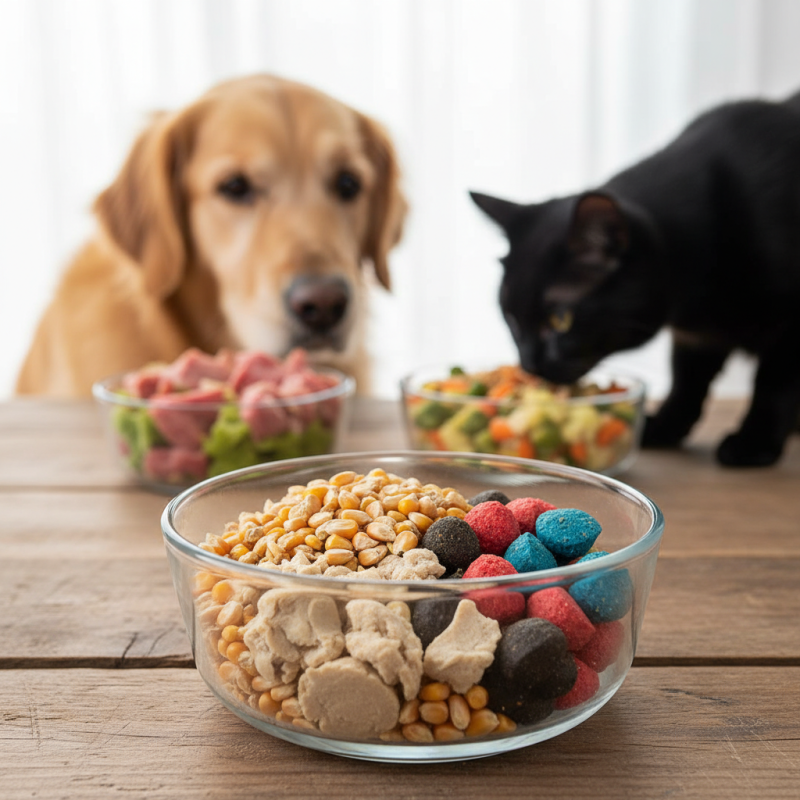
When it comes to pet food, the quality of ingredients matters significantly. Many pet owners overlook this, but the truth is that poor-quality ingredients can lead to health issues for pets. According to the Association of American Feed Control Officials, a significant percentage of pet owners report digestive problems linked to low-quality ingredients. Understanding what goes into pet food is crucial for the well-being of our furry friends.
Low-quality meats, fillers, and artificial preservatives can harm your pet's health over time. Ingredients like corn, soy, and by-products contribute little nutritional value and can cause allergies in some pets. A study published in the Journal of Animal Science found that pets consuming high-quality protein had better overall health compared to those on subpar diets.
Tips: Choose brands that emphasize high-quality, whole ingredients. Look for transparency in sourcing and avoid products with vague terms. Opt for pet foods that feature meat as the first ingredient. This can lead to fewer health issues and happier pets. Regularly consult with your veterinarian about your pet's diet. Their expertise can guide you toward the best food choices for your furry companions.
This chart illustrates the frequency of certain harmful ingredients found in pet food. Avoiding these ingredients can lead to healthier pets.
When choosing pet food, pet owners must be vigilant about harmful additives. A significant number of commercial pet foods contain ingredients that can jeopardize the health of pets. For instance, the Association for Pet Obesity Prevention reports that nearly 60% of U.S. pets are overweight due to poor dietary choices. This alarming statistic underscores the importance of scrutinizing food labels.
One common harmful additive is artificial preservatives, such as BHA and BHT. These chemicals are used to prolong shelf life but may pose risks to pets' health. Studies have linked them to liver damage in dogs. Additionally, food coloring agents often serve no nutritional purpose and can lead to allergic reactions. Another red flag is excessive fillers like corn and wheat, which offer little nutritional value. Instead, they often result in gastrointestinal issues and allergies.
Meat by-products also raise concerns. These ingredients can vary greatly in quality and may include parts of animals that are not suitable for consumption. According to the FDA, by-products can include feathers and hooves. Understanding these nuances is crucial for ensuring that pets receive quality nutrition. Being informed about these harmful additives can make a significant difference in your pet's health.
| Ingredient | Why to Avoid | Common Effects |
|---|---|---|
| Artificial Preservatives | Can cause allergic reactions and long-term health issues. | Skin irritations, digestive problems. |
| Meat By-Products | Low-quality source of protein and may include harmful parts. | Poor weight gain, nutrient deficiencies. |
| Corn and Soy Fillers | Inhibit nutrient absorption and often genetically modified. | Allergies, obesity, diabetic issues. |
| Coloring Agents | Serve no nutritional purpose and can be harmful. | Hyperactivity, allergic reactions. |
| Rendered Fat | Can come from unhealthy sources and lack quality control. | Digestive disturbances, obesity. |
| Sugar and Sweeteners | Lead to obesity and dental diseases. | Weight gain, diabetes. |
| Gluten | Can cause food sensitivities and allergies. | Gastrointestinal issues, skin problems. |
Artificial preservatives are commonplace in pet food, but their impact on health is concerning. Studies indicate that these substances can lead to negative health effects in pets over time. For instance, the Pet Food Industry Association highlights that many preservatives are linked to allergies and even chronic diseases.
Many artificial preservatives are synthetic compounds. BHT, BHA, and ethoxyquin are among the most common offenders. A report from the Journal of Animal Science notes that prolonged exposure to these chemicals may disrupt pet metabolism. The National Animal Supplement Council warns that some preservatives could potentially interfere with immune function.
Monitoring the ingredient list is crucial for responsible pet owners. When evaluating food options, don’t just focus on the first few ingredients. The presence of artificial preservatives is often hidden in the middle or end of the list. With research suggesting that over 65% of pets suffer from food-related health issues, choosing natural alternatives can reduce this risk. While it may seem difficult to avoid processed foods, the benefits outweigh the challenges.
When it comes to pet food, fillers and by-products can be a significant concern. Fillers often include ingredients like corn and wheat that provide minimal nutritional value. These ingredients may fill your pet's bowl, but they don't nourish your pet effectively. Pets thrive on high-quality proteins and essential nutrients, not on empty calories.
By-products are another red flag. They can come from various animal sources, often leading to poor quality control. The term "by-product" can mean anything from leftover scraps to low-quality parts of the animal. It's important to know where your pet's food comes from. Transparency in sourcing matters.
Not all fillers and by-products are harmful, but they can lead to health problems in the long run. Pets may develop allergies or digestive issues from these low-quality ingredients. A well-informed pet owner should scrutinize labels carefully. Choosing food with whole, recognizable ingredients can make a noticeable difference in your pet's health and happiness. This approach takes time and effort but is well worth it for your furry friend.
When it comes to feeding our pets, understanding allergens is crucial. Many pets suffer from food sensitivities that can lead to discomfort and health issues. Certain ingredients commonly found in pet food may trigger these allergic reactions. That's why it's essential to identify and omit them from your pet's diet.
One major allergen is wheat. Many pets cannot digest it properly. Symptoms may include skin irritation or gastrointestinal upset. Another common culprit is corn, often used as a filler. While it may seem harmless, it can lead to sensitivities in numerous pets. It's vital for pet owners to read labels carefully and consider alternative grains or sources of carbohydrates.
Soy is another ingredient that can cause problems. Soy allergies occur in both dogs and cats. Pets might experience itching, inflammation, or digestive issues. Animal proteins, particularly beef and chicken, can also be allergens for some pets. It's essential to pay attention to your pet's response to different foods. Keeping a food diary might help track any adverse reactions, making it easier to pinpoint troublesome ingredients. Making informed decisions ensures a happier, healthier life for your furry companions.
: Common harmful additives include artificial preservatives, food coloring agents, excessive fillers, and meat by-products.
Artificial preservatives can lead to allergies, chronic diseases, and may disrupt metabolism over time.
Look out for BHA, BHT, and ethoxyquin in the ingredient list of pet foods.
Food coloring agents serve no nutritional purpose and can cause allergic reactions in pets.
Excessive fillers like corn and wheat offer little nutrition and may lead to gastrointestinal issues.
Meat by-products can vary in quality and may include unsuitable animal parts, which is concerning for pet health.
Yes, monitoring the ingredient list helps identify harmful additives and promotes better dietary choices for pets.
Consider avoiding processed foods that contain artificial preservatives and opt for natural alternatives for better health.
Research suggests that over 65% of pets currently suffer from food-related health issues.
Yes, finding high-quality pet food can be difficult, but the health benefits are worth the effort.
When considering pet food, it's essential to evaluate the quality of ingredients to ensure a healthier diet for your furry friends. Common harmful additives in commercial pet foods, such as artificial preservatives, can negatively impact pet health. These substances may lead to various health issues over time. Additionally, fillers and by-products often lack nutritional value and may cause allergic reactions in sensitive pets.
Identifying allergens is paramount; certain ingredients can trigger sensitivities in pets, requiring you to ask, "What ingredients should I avoid in pet food?" By prioritizing high-quality, natural ingredients while steering clear of harmful additives, fillers, and potential allergens, pet owners can make informed choices that contribute to their pets' overall well-being.
