Top Factors Affecting the Price of Pet Food Worldwide?

Time:2026-10-19 Author:Ethan
0%

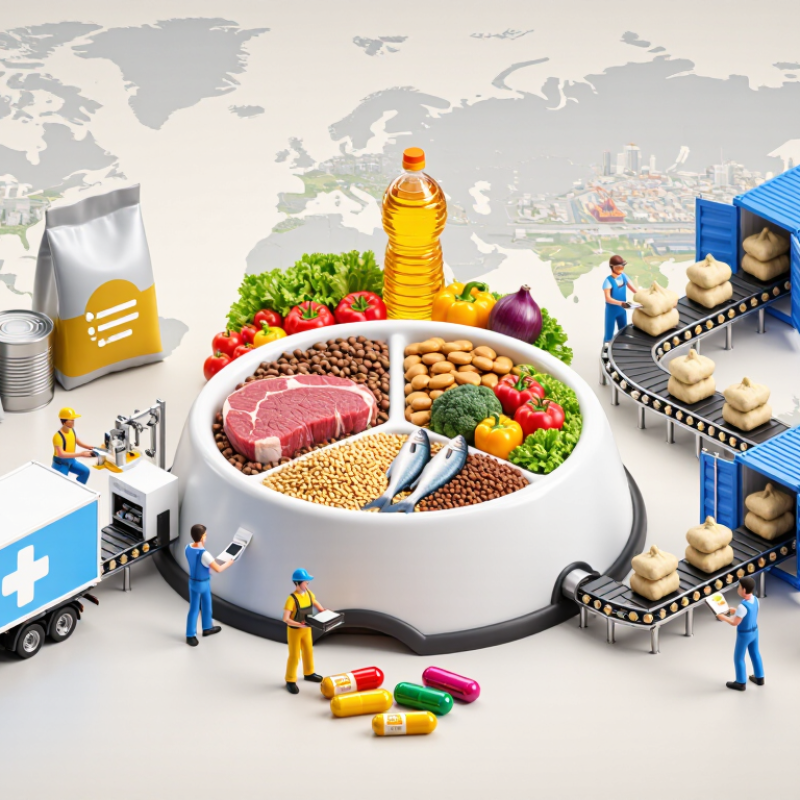
What affects the price of pet food is rarely just the cost of ingredients. A bag of kibble reflects several connected pressures. Meat, fish, grains, oils, vitamins, packaging, transport, labor, testing, and retail margins all influence the final shelf price. A recipe containing named animal proteins may cost more than one using lower-cost protein sources. Imported ingredients can add another layer of expense when freight rates or currency values change.

Dr. Jean Hofve, a veterinarian and pet nutrition writer, has said, “The best food for your pet is the food your pet thrives on.” This practical view matters when comparing prices. A higher price does not automatically prove better nutrition. However, specialized formulas often require more research, controlled production, and careful quality checks. Veterinary diets, limited-ingredient recipes, and foods for sensitive animals may therefore carry higher costs.

The global market is also uneven. A premium product in one country may be a regular product elsewhere. Local farming conditions, energy prices, tariffs, and distribution networks create sharp regional differences. Even the package matters. A heavy metal can, refrigerated delivery, or small-batch production may increase expenses before the food reaches a store.

Some claims remain difficult to judge. Marketing language can make simple differences appear highly important. Consumers should check the ingredient list, nutritional adequacy statement, company transparency, and feeding results. Price deserves attention, but it should not become the only measure. The real question is more careful: does the food provide reliable nutrition, acceptable quality, and practical value for a specific pet?
Top Factors Affecting the Price of Pet Food Worldwide?

Global Supply and Ingredient Costs in Pet Food Pricing

Global pet food prices often begin with supply and ingredient costs. Meat, fish, grains, oils, and vitamin supplements can change sharply after droughts, floods, or transport delays. A poor harvest may reduce supply across several countries. Import fees and fuel expenses then raise the final shelf price.

Ingredient quality also matters. Fresh animal proteins usually require refrigeration and careful handling. That adds energy, storage, and logistics costs. Alternative proteins may seem cheaper, but processing equipment and limited suppliers can increase prices. Currency changes create another problem for international buyers. A product can become more expensive even when its recipe stays unchanged. Forecasts are never perfect. Demand can rise suddenly when households adopt more pets or change feeding habits.

Tips: Compare prices by serving, not only by package size. Check the ingredient list and feeding guidance. Watch seasonal promotions, but avoid buying more than proper storage allows. Retail prices may hide short-term supply problems, so review them over several months. Local products are not always cheaper, because domestic production may still depend on imported nutrients or packaging. This detail is easy to miss. Reliable pricing decisions need supplier records, transparent sourcing information, and realistic transport estimates.

Global Indicators Affecting Pet Food Pricing

Annual global price indicators, indexed to 2020 = 100. Higher values indicate stronger cost pressure from food ingredients and energy used in processing, packaging, and transportation.

Source: FAO Food Price Index annual data and World Bank Commodity Markets “Pink Sheet” annual Brent crude oil prices. These indicators describe global cost pressure and are not company-specific retail prices.

Manufacturing, Packaging, and Quality Control Expenses

Pet-food prices often begin on the factory floor. FEDIAF’s 2024 Facts and Figures report recorded €29.2 billion in European pet-food sales during 2023. That scale requires continuous production, trained labor, energy, and sanitation. Meat processing, extrusion, drying, and cooling consume significant electricity and heat. The International Energy Agency reported that industry accounted for about 37% of global final energy use in 2022. Energy costs therefore affect every bag and can change quickly. Small facilities may face higher unit costs because equipment runs below full capacity.

Packaging adds another visible layer. Flexible pouches, cans, cartons, labels, and pallets all carry material and transport expenses. Smithers’ 2024 packaging research identifies lightweighting and recyclable structures as major industry priorities. However, newer materials can require different filling machines and testing procedures. That transition is not always cheaper. A thin pouch may reduce plastic use, yet poor sealing can create waste, returns, and food-safety concerns. One failed seal matters.

Quality control also raises the final price. Manufacturers test moisture, protein, fat, pathogens, and foreign materials. They must maintain traceability across ingredients and production batches. The U.S. FDA’s animal-food guidance emphasizes preventive controls, sanitation, and hazard monitoring. These systems require laboratories, calibrated instruments, documentation, and trained reviewers. They protect animals, but the cost models are imperfect. Reported averages can hide regional wages, currency changes, and uneven supplier reliability. That uncertainty remains.

Pet Nutrition Standards, Safety Rules, and Regulatory Requirements

Pet food prices often reflect compliance costs before marketing costs.
Nutrition standards define suitable levels of protein, fat, vitamins, and minerals. These requirements vary by animal type, life stage, and country. A puppy formula may need different calcium controls than adult food. Small differences matter.

Safety rules add testing and monitoring expenses. Manufacturers may test ingredients for bacteria, toxins, heavy metals, and unwanted residues. They also need clean production areas, documented suppliers, and traceable batch codes. In practical factory audits, paperwork can reveal risks that clean-looking equipment cannot. Packaging must protect food from moisture, oxygen, and heat. Stronger materials may increase the final price.

Regulatory requirements also affect imports, labels, claims, and storage. One market may require detailed nutrient declarations, while another demands extra registration documents. Companies often reformulate products to meet several systems at once. That process takes time and technical expertise. It can also create waste when older labels become unusable.

Compliance is not perfectly uniform worldwide. A rulebook may look clear, yet interpretation can differ between inspectors. This is where reliable laboratory records and independent verification become valuable. Consumers should also question vague claims, because attractive wording does not prove nutritional quality.

Cost remains important, but safety failures can be far more expensive. That part is easy to underestimate.

Brand Positioning, Product Innovation, and Retail Pricing Strategies

Top Factors Affecting the Price of Pet Food Worldwide

Brand positioning often sets the first price signal. Premium positioning can support higher prices through nutrition claims, traceable ingredients, and specialist formulas. However, consumer trust must match the label. A polished package cannot replace measurable evidence.

$103 billion
Grand View Research estimated the global pet food market at about $103 billion in 2023, showing the scale behind these pricing decisions.

Regional income, veterinary guidance, and household pet ownership still create large price differences.

Product innovation adds another layer.

Functional recipes may include digestive support, novel proteins, or age-specific nutrition. These features increase research, testing, and manufacturing costs. Smaller portions and resealable packaging also raise unit prices.

Some innovations feel useful. Others may be expensive decoration. The market needs clearer evidence, especially when shoppers compare benefits at a supermarket shelf.

Some innovations feel useful. Others may be expensive decoration.

Retail pricing strategies can either soften or magnify these costs.

Euromonitor International identifies premiumization as a continuing force in global pet care, while value-focused shoppers remain highly price-sensitive. Retailers often use subscriptions, multipacks, and loyalty discounts to protect repeat purchases. Online channels can reduce shelf costs, but delivery and promotional fees complicate the final price.

$58.1 billion
APPA reported U.S. pet food and treats sales of $58.1 billion in 2023, underscoring strong demand but not unlimited spending power.

Price testing is necessary. The best strategy may still fail when inflation changes buying habits faster than product teams expect.

Regional Demand, Trade Conditions, and Consumer Purchasing Power

Pet food prices vary sharply because regional demand, trade conditions, and consumer purchasing power rarely move together. In urban areas, rising pet ownership can increase demand for premium nutrition, functional ingredients, and smaller package sizes. Rural markets may favor larger bags and lower-cost formulas. These patterns depend on local incomes, pet habits, and household budgets.

Trade conditions add another layer. Imported grains, meat ingredients, packaging, and additives become more expensive when freight rates rise or currencies weaken. Tariffs, port delays, and stricter inspections can also increase landed costs. A shipment delayed for three weeks may require extra storage and emergency sourcing. These costs often reach consumers through higher shelf prices.

Tips: Compare prices by serving, not by package size. Check local ingredient availability and currency movements. Use customs data, retailer surveys, and recent household-income reports before judging a regional price change. Still, this approach is not perfect. Consumer behavior can shift quickly after inflation, weather disruptions, or a sudden change in pet ownership. A product may remain affordable in one city while becoming difficult to purchase in a nearby region. Small pack sizes often look cheaper, but their cost per meal can be higher.

FAQS

Why do global pet food prices change so often?

Meat, fish, grains, oils, and supplements can become costly after droughts, floods, or transport delays. Fuel and import fees may raise shelf prices. Forecasts remain imperfect.

Does ingredient quality affect the final price?

Yes. Fresh animal proteins need refrigeration, careful handling, and reliable storage. These steps consume energy and add logistics costs.

Are alternative proteins always cheaper?

Not always. Limited suppliers and specialized processing equipment can increase production costs. The cheaper-looking option may not stay cheaper.

Can currency changes affect pet food prices?

Yes. A weaker currency can raise import costs, even when the recipe remains unchanged. This detail is easy to miss.

How should shoppers compare different package sizes?

Compare the cost per serving or meal, not only the package price. A small bag may look affordable but cost more per meal.

Why can local pet food still be expensive?

Local production may depend on imported nutrients, packaging, or machinery. Domestic manufacturing does not guarantee lower costs.

How do product features influence pet food pricing?

Functional recipes, age-specific formulas, resealable bags, and smaller portions can increase research and manufacturing expenses. Some features help. Others may be costly decoration.

How do trade and regional conditions change prices?

Freight rates, tariffs, port delays, inspections, and currency movements affect landed costs. A shipment delayed for three weeks may need emergency sourcing. Nearby regions can still have very different prices.

Do discounts and subscriptions always save money?

They can reduce repeat-purchase costs, but delivery fees and minimum quantities may change the final price. Avoid buying more than proper storage allows.

What information helps judge whether a price increase is reasonable?

Review ingredient lists, feeding guidance, supplier records, sourcing details, and recent local prices. Check several months of data. One quick comparison can mislead.

Conclusion

What affects the price of pet food depends on a combination of supply, production, regulation, and market conditions. Ingredient costs are a major factor, as prices for meat, grains, vegetables, vitamins, and other nutrients can change with weather, farming conditions, energy prices, and transportation expenses. Manufacturing also contributes through labor, equipment, packaging materials, storage, and quality control processes. Products that require specialized formulas, careful testing, or advanced packaging may cost more to produce.

Pet nutrition standards and safety requirements can further increase expenses because manufacturers must meet strict rules for ingredients, labeling, testing, and production procedures. Brand positioning, product innovation, and retail pricing strategies also influence the final price, especially when products offer targeted nutrition, convenient formats, or premium features. In addition, regional demand, import and export conditions, currency changes, distribution costs, and consumer purchasing power can create significant price differences between markets. Together, these factors shape how pet food is priced worldwide.

Ethan

Ethan

Ethan is a seasoned marketing professional with a deep expertise in our company's innovative product line. With a passion for sharing knowledge and insights, he takes the lead in regularly updating our corporate blog, where he explores industry trends, product features, and effective marketing......