Why is Portion Control Essential for Your Pet's Health?

Time:2026-05-11 Author:Mason
0%

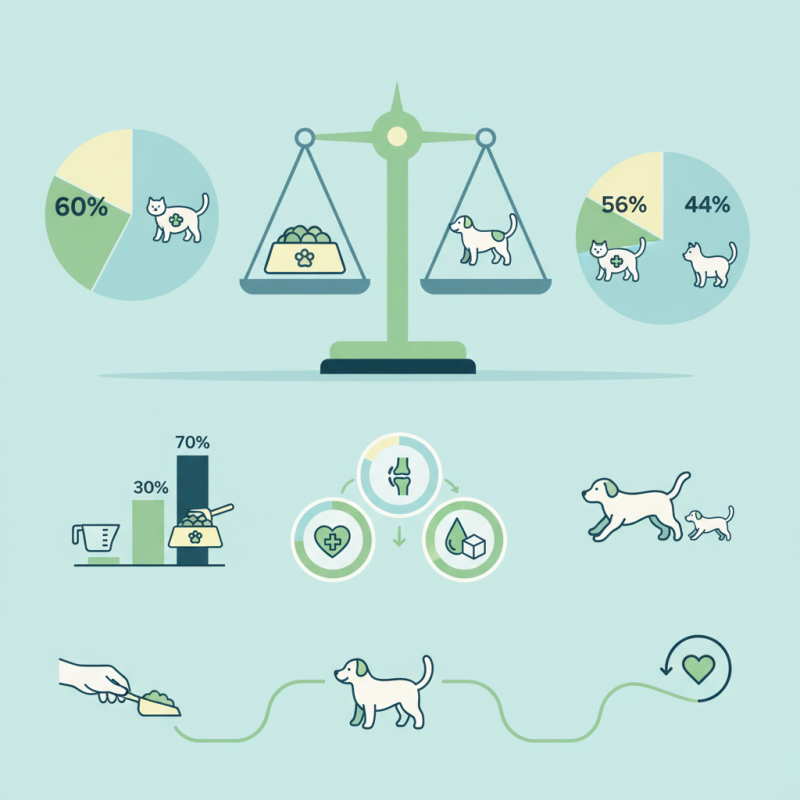
As pet ownership rises, understanding "Why is portion control important for pets" is crucial. Many veterinary professionals agree that maintaining a healthy weight is vital for pets' overall well-being. According to a 2022 report from the Association for Pet Obesity Prevention, 56% of dogs and 60% of cats in the U.S. are overweight or obese. This alarming statistic highlights the need for pet owners to take action regarding their pets' diets.

Dr. Lisa Freeman, a veterinary nutritionist, emphasizes, “Portion control can prevent serious health issues in pets.” Excess weight can contribute to conditions like diabetes, arthritis, and heart disease. Pet owners often underestimate the amount of food their pets should consume, leading to unintentional overfeeding.

Moreover, a survey indicated that only 30% of pet owners measure their pets' food accurately. This gap in knowledge reflects a need for more education on proper feeding practices. Encouraging mindful feeding can enhance pets' happiness and longevity. Ultimately, responsible portion control not only fosters healthier pets but also deepens the bond between pets and their owners.
Why is Portion Control Essential for Your Pet's Health?

Understanding Portion Control and Its Importance for Pets

Portion control plays a crucial role in maintaining your pet's health. Understanding how much to feed your pet can prevent obesity and other related health issues. Many pet owners neglect this aspect, often believing that free feeding will not harm their furry friends. However, lack of portion control can lead to excess weight and various diseases.

Pets require balanced diets just like humans. Each animal has specific caloric needs based on age, breed, and activity level. A chubby cat or dog may appear cute, yet they often face serious health risks. Regular check-ups with a veterinarian can help determine the right portion size. A scale can serve as a helpful tool for accurate measurement.

Monitoring food intake is essential. It also promotes a better relationship with your pet. Establishing a routine feeding schedule can bring structure to your pet's day. Keep an eye on their behavior and weight. If you're unsure, consult with a professional. Each pet is unique, and their needs may evolve over time. Reflect on their habits and make adjustments as necessary.

The Link Between Portion Size and Pet Obesity

Pet obesity is a growing concern worldwide. According to the Association for Pet Obesity Prevention, over 50% of dogs and cats in the U.S. are classified as overweight or obese. Portion control plays a critical role in managing a pet's weight. By adjusting the size of meals, pet owners can help prevent excess weight accumulation.

Many pet owners tend to overfeed their animals, often mistaking a healthy appetite for hunger. Accurate measuring tools can aid in serving the proper amount of food. Veterinarians recommend using feeding guidelines based on age, weight, and activity level. Research shows that pets that are regularly fed proper portions are less likely to develop obesity-related health issues, such as diabetes and joint problems.

Additionally, overfeeding can lead to other behavioral issues like food aggression. It’s essential for pet owners to reflect on their feeding practices. Ignoring portion sizes might seem harmless, but it can lead to lifelong health issues for pets. Keeping food intake in check not only promotes physical health but also encourages a balanced lifestyle for our furry friends.

Why is Portion Control Essential for Your Pet's Health? - The Link Between Portion Size and Pet Obesity

Pet Type Recommended Daily Caloric Intake (kcal) Common Portion Size (cups) Obesity Rate (%) Healthy Weight Range (lbs)
Dogs (Medium Breed) 600-900 2-3 40% 25-50
Cats 200-300 1/2 - 1 30% 8-15
Dogs (Small Breed) 250-600 1/2 - 1 20% 5-20
Dogs (Large Breed) 1000-1500 3-5 35% 50-90

How to Determine the Right Portion Sizes for Your Pet

Determining the right portion sizes for your pet is crucial for their overall health. Many pet owners struggle with this aspect. It's vital to consider your pet's age, weight, and activity level. An active dog requires more calories than a senior cat. Each pet is unique, and understanding their specific needs can prevent obesity and health issues.

Utilize a scale for accurate measurements. Often, pets overeat due to generous serving sizes. Measure their food and adjust according to their body condition. A lean pet will have a defined waist. If you notice your pet gaining weight, reassess their portions. Portion control is not just about food; it's also about treats. Each treat counts towards their daily intake.

Some pet owners find it challenging to resist those pleading eyes during mealtime. This behavior can lead to unintentional overfeeding. Keeping a feeding schedule can help. Consistency is key. It also trains your pet to expect meals at certain times. Remember, portion control is a journey and requires continuous reflection on what works best for your furry friend.

Portion Control for Pets: Recommended Daily Intake by Weight

Proper portion control is crucial for maintaining your pet's overall health. The above chart illustrates the recommended daily intake of food for different pet sizes. Always consult with a veterinarian to tailor these recommendations to your pet's specific needs.

Tips for Implementing Effective Portion Control Practices

Portion control is key to keeping your pet healthy. Managing what they eat prevents obesity and related health issues. Many pet owners underestimate how much to feed their furry friends. Using a measuring cup helps create consistency. It’s also wise to review your pet’s weight regularly. This allows for adjustments based on their activity level and age.

Consider feeding your pet smaller, more frequent meals. This approach can aid digestion and keep energy levels stable. Monitor their response to portion changes closely. Some pets may adapt quickly, while others may need time to adjust. Always be mindful of the signs of hunger or fullness. If your pet seems restless after meals, reconsider the portion size.

Engaging in meal prep can enhance your portion control efforts. Portioning out food for the week can simplify feeding times. This practice encourages discipline and reduces the chance of overfeeding. Don’t forget to factor in treats. These can add up quickly and disrupt your pet's balanced diet. Regularly reviewing feeding practices with your vet can provide further insights.

Common Mistakes Pet Owners Make Regarding Portion Control

Portion control is crucial for your pet’s overall health. Many pet owners unknowingly make common mistakes that can lead to obesity and health issues. One frequent error is free-feeding. Leaving food out all day may cause pets to overeat. They can consume more calories than they need. This habit often leads to weight gain and related complications.

Another mistake is misinterpreting serving sizes. Many pet owners believe they understand how much their pets should eat. However, they often rely on outdated guidelines or personal judgment. These practices can sabotage your pet’s health. Consult your veterinarian for specific recommendations tailored to your pet’s needs.

Here are some tips for better portion control:

  • Measure your pet’s food using a standard measuring cup. This ensures consistency with each meal.
  • Invest in a high-quality food scale to gain accurate measurements.
  • Establish a feeding schedule. Regular meal times help control your pet's hunger cues.
  • Be cautious when offering treats; they can contribute significantly to daily calorie intake.
  • Remember, serving sizes will differ based on your pet's age, size, and activity level. Being aware of these factors can help maintain a healthy weight.

FAQS

: Why is portion control important for pets?

: Portion control prevents obesity and related health issues. It keeps pets healthy and promotes a balanced lifestyle.

How can I accurately measure my pet's food?

Use a standard measuring cup or a food scale. This helps ensure consistency with each meal.

What are common mistakes pet owners make?

Free-feeding is a major mistake. It can lead to overeating and weight gain over time.

How can I adjust portion sizes for my pet?

Regularly review your pet's weight. Adjust portions based on their activity level and age.

Should I consider feeding my pet smaller meals?

Yes, smaller, more frequent meals aid digestion and stabilize energy levels throughout the day.

What signs indicate that my pet needs a portion size change?

If your pet seems restless after meals, it’s a sign to reconsider their portion size.

How do treats affect my pet's diet?

Treats can quickly add calories. Be cautious and factor them into your pet's daily intake.

How can meal prep help with portion control?

Meal prepping encourages discipline and simplifies feeding times. It reduces the chance of overfeeding.

What should I do if I'm unsure about my pet's feeding needs?

Consult your veterinarian for tailored recommendations. They can provide specific guidelines for your pet.

How often should I review my pet's feeding practices?

Regular reviews are important. Continual assessment can help adjust for changes in your pet's needs.

Conclusion

Portion control is crucial for maintaining the health and well-being of pets. Understanding portion control and its significance can help pet owners prevent obesity, which is closely linked to various health issues. By determining the appropriate portion sizes based on a pet's age, weight, and activity level, owners can ensure their pets receive the proper nutrition without overfeeding.

To implement effective portion control practices, it's essential to establish a feeding routine and avoid common mistakes such as free-feeding or underestimating portion sizes. By addressing the question, "Why is portion control important for pets," pet owners can better appreciate how it contributes to a healthier lifestyle, ultimately enhancing their pets' quality of life.

Mason

Mason

Mason is a seasoned marketing professional with a deep expertise in the company's offerings and a passion for driving brand awareness. With a strong background in digital marketing strategies, he has an innate ability to connect with diverse audiences and effectively communicate product benefits.......