Storing pet food properly is crucial for maintaining its freshness and nutritional value. Many pet owners may overlook the importance of this aspect. Inadequate storage can lead to spoilage or loss of nutrients, affecting your pet’s health. Understanding how to store pet food to keep it fresh is essential for providing the best care.
Using airtight containers is a common recommendation. This helps prevent moisture and pests from getting inside. However, not all containers are created equal. Some materials can leach chemicals or retain odors. It's important to choose safe, durable options. It might be easier to leave food in the bag, but that risks exposure to air and light.
Temperature plays a vital role too. Storing pet food in a cool, dry place is advisable. Avoid places close to heat sources or direct sunlight. Yet, many pet owners may find their storage habits lacking. Rethinking where you keep your pet food can make a difference in its longevity. It's worthwhile to regularly check food quality, ensuring your furry friends receive the best nutrition.
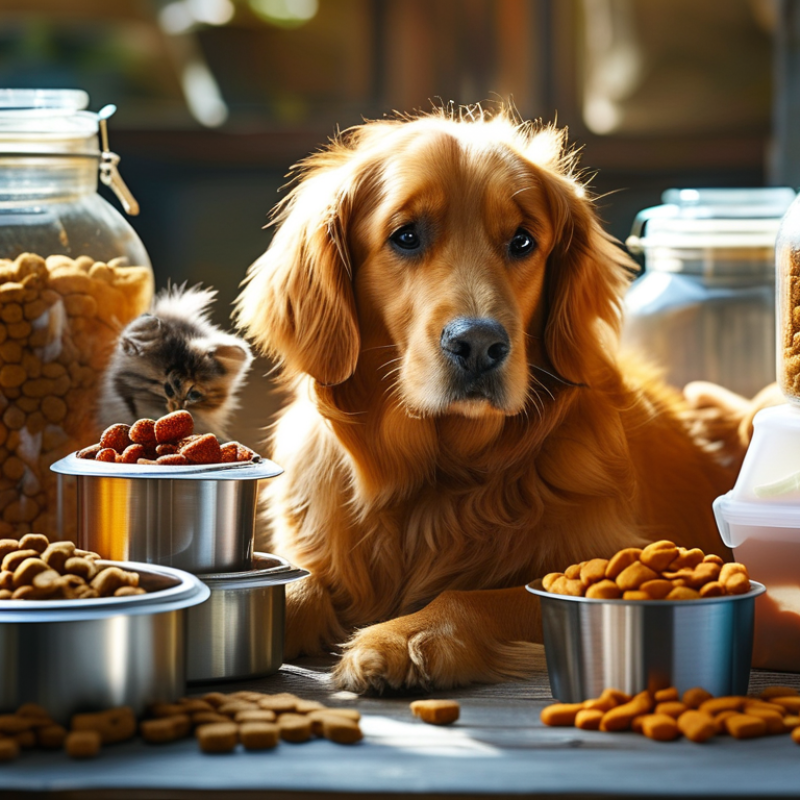
When it comes to pet food, understanding its type is crucial for proper storage. Dry kibble is common for many pets. It typically comes in bags that are designed to keep moisture away. However, once opened, these bags can allow air to enter, which can lead to spoilage. Consider using an airtight container to maintain freshness. This prevents moisture and pests from ruining the food.
Wet food presents a different challenge. It's usually sold in cans or pouches and needs refrigeration after opening. Once opened, consume it within a few days or properly seal it in a container. This will help prevent bacterial growth.
Treats also require attention. Many treats have their own storage guidelines. Some may need to stay in a cool, dark place, while others might benefit from refrigeration. Not following the specific needs might lead to waste. Regularly check expiration dates and the food's condition. It's best to avoid buying in bulk if you cannot store it properly. Always prioritize your pet's health over convenience.
Selecting the right storage containers for pet food is crucial. Many experts suggest using airtight containers. These containers help keep out moisture and pests. According to a study by the American Kennel Club, proper storage can extend the shelf life of pet food by up to 50%. It is vital to choose containers made from food-safe materials. Glass and high-quality plastic are great options.
Consider the size of the container. A container that is too small may force you to transfer food too often. This can lead to spoilage. In contrast, a container that is too large may leave food exposed for too long. The ideal solution is to find a balance.
You should regularly clean the containers to prevent contamination. Even low levels of moisture can cause mold growth. Research indicates that bacteria can multiply rapidly in moist environments. This is especially dangerous for pet food. Regularly inspecting the container for any signs of wear is also advisable. A damaged container may not seal properly, negating its benefits.
Storing dry pet food properly is crucial for maintaining its freshness and nutritional value. According to the American Veterinary Medical Association, improper storage can lead to spoilage, which may harm your pet’s health. The right environment can significantly prolong the shelf life of pet food, so it’s essential to consider several key factors.
First, keep pet food in a cool, dry place. Exposure to heat and humidity can cause the food to degrade quicker. A sealed container is vital for protecting the food from air and pests. The Association of American Feed Control Officials recommends using airtight containers, as they prevent moisture and oxygen from compromising the food quality.
Ensure your storage location is clean. Even small insect infestations can contaminate the food. If you find any bugs in the container, you might need to discard the food entirely. Buy only the amount of food your pet can consume in a month to avoid unnecessary waste.
Check for expiration dates frequently. Watching for signs of spoilage, like off-odors or changes in texture, is vital. Regular inspections can help safeguard your pet’s nutrition and health.
Canned and wet pet food requires careful storage to maintain freshness. It’s crucial to keep it in a cool, dry place after opening. The USDA suggests that opened cans of wet food should be refrigerated within two hours. Leaving food out can lead to bacterial growth, which poses health risks.
When storing opened cans, use an airtight container to retain moisture and flavor. Pet food can lose its nutritional value. According to a study by the Pet Food Institute, proper storage preserves essential vitamins and nutrients. This is especially important for sensitive pets. Many owners fail to transfer food into suitable containers, risking spoilage.
Check expiration dates regularly. Even unopened cans can lose quality over time. Discard any cans that are dented or rusted. Ignoring these signs can lead to feeding pets spoiled food. Quality counts when it comes to your furry friends. Rethink old storage habits to ensure your pet receives the best nutrition possible.
Monitoring your pet food's freshness is vital for your pet’s health. Opened bags can attract moisture, which leads to spoilage. Always check the packaging for expiration dates. If the date is near, use that food sooner. Smell your pet’s food often. A rancid odor is a warning sign. Also, look for changes in texture and color. Crumbles can indicate moisture, while discoloration suggests spoilage. If you notice these signs, it's best to discard the food.
It's important to practice regular inventory checks. Keep an eye on how much food is left and how long it has been there. Freshness matters more than you might think. Consider the environment where you store the food. A humid area can lead to faster spoilage. Use airtight containers to protect against air and pests. Even sealed bags can sometimes allow for spoilage if improperly stored.
If you’ve had the same bag for too long, reflect on your purchasing habits. It’s easy to forget about food stashed away. Check for any unusual shapes or clumps in the food. These can indicate mold. Regular monitoring will keep your pets healthy and happy. Staying aware is key to ensuring their diet remains nutritious and safe.
: Store dry kibble in an airtight container to keep moisture and pests away.
Opened bags allow air in, leading to spoilage. Transfer to a container for safety.
Refrigerate opened wet food and consume it within a few days or seal it properly.
Yes, some treats need cool, dark places. Check storage guidelines to avoid waste.
Use food-safe materials like glass or high-quality plastic. This prevents contamination.
Regular checks help prevent mold growth caused by moisture. Replace damaged containers promptly.
Look for rancid odors, changes in texture, or discoloration. These indicate spoilage.
Regularly check your inventory. If it's too old, reflect on your purchasing habits.
Yes, a humid environment can lead to faster spoilage. Store food in a dry area.
Regularly inspect and smell the food. This keeps your pets healthy and safe.
To ensure that pet food remains fresh and nutritious, it is essential to understand the different types of pet food and their specific storage requirements. Properly selecting storage containers can significantly impact the longevity of pet food. For dry pet food, using airtight containers in a cool, dry place is recommended to prevent moisture and pests. Canned and wet pet food should be stored in a cool environment, with leftovers refrigerated and used within a few days.
Additionally, it's crucial to regularly monitor pet food for freshness by checking for signs of spoilage, such as unusual odors or changes in texture. Knowing "how to store pet food to keep it fresh" involves not only choosing the right containers but also implementing best practices for storage and regular inspection. With these strategies, pet owners can ensure their furry friends enjoy safe and wholesome meals.
