How to Switch Pet Food Safely for Your Furry Friends?

Time:2026-05-07 Author:Isabella
0%

Switching your pet's food can be daunting. It's important to know how to switch pet food safely. A sudden change can upset their stomach and lead to health issues. Gradual transitions are key. This process allows your furry friend to adjust without discomfort.

Consider your pet's dietary needs when selecting new food. Not all brands are created equal. Look for high-quality ingredients aligned with their age, size, and health. Research similar experiences from other pet owners. Real-life stories can guide your decision.

Monitor your pet throughout the switch. Changes in behavior or digestion may indicate problems. If issues arise, don't hesitate to consult your veterinarian. They can provide personalized advice. Reflect on the process and learn from your pet’s reactions. Adjusting their diet isn’t just about the food; it’s about ensuring their well-being.
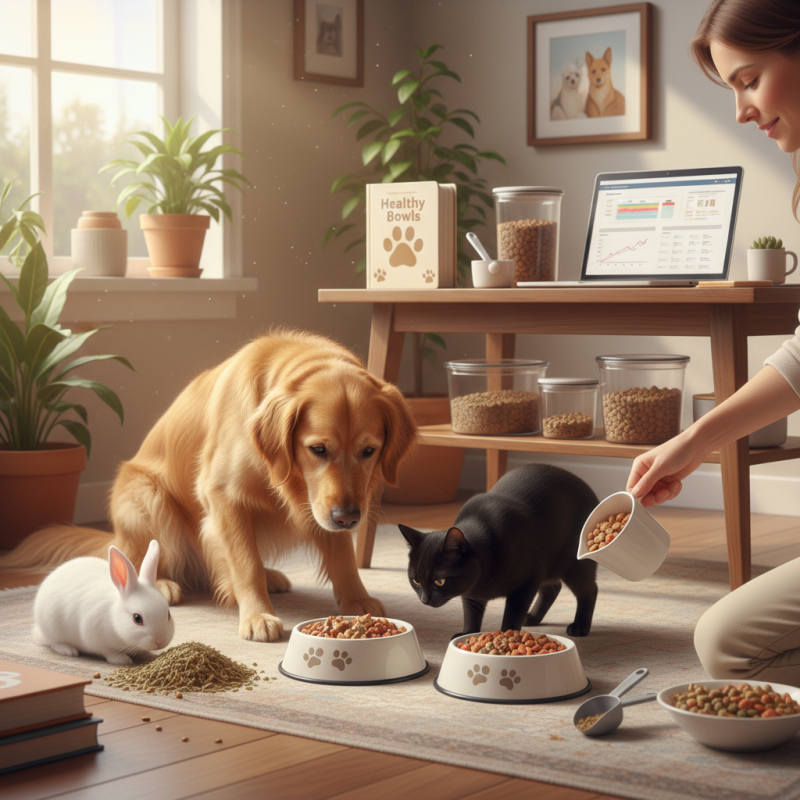
How to Switch Pet Food Safely for Your Furry Friends?

Understanding the Need for Switching Pet Food

Switching pet food can be due to various reasons. Your furry friend may have allergies or digestive issues. Sometimes, they simply need a change in taste. Understanding why you need to switch is crucial. Each pet has unique dietary needs that can change over time.


When considering a switch, monitoring your pet’s reactions is key. Gradually introduce the new food by mixing it with the old one. This helps prevent stomach upsets. A common tip is to change only 25% of the food at first. Observe for any adverse reactions over a week. If all goes well, increase the new food.


Keep in mind that pets might resist the change. Their taste buds can be picky. Patience is necessary. Be aware of signs like decreased appetite or gastrointestinal distress. Adjust your approach accordingly. Always consult your veterinarian if you notice significant changes. Their expertise can guide you through this process safely.

Identifying Ingredients in Current and New Pet Food

When switching your furry friend's food, understanding ingredients is vital. Many pet owners overlook the importance of ingredient lists. A study by the Association of American Feed Control Officials (AAFCO) indicates that the first five ingredients dictate a pet's diet quality. Look for real meats as the primary ingredient. Avoid vague terms like "meat by-products."

Reading labels can be daunting. Ingredients are listed by weight, so ensure high-quality sources appear at the top. Grain-free diets gained popularity, but consult your vet before altering your pet's diet. For example, certain beans used in grain-free formulas have caused heart issues in some dogs.

Tips: Transitioning gradually is key. Start by mixing the new food with the old. Use a 75-25 ratio for the first few days. This method reduces digestive upset. Observe your pet's reaction and adjust accordingly. As you learn about ingredients, pay attention to your pets' energy and coat condition. This feedback helps you make better choices in the future. Every pet is unique; what works for one may not suit another. Experiment wisely.

How to Switch Pet Food Safely for Your Furry Friends? - Identifying Ingredients in Current and New Pet Food

Ingredient Current Pet Food New Pet Food Nutritional Value Potential Allergens
Chicken Yes Yes High Protein None
Corn Yes No High Carbohydrates Potential allergen
Salmon No Yes Omega-3 Fatty Acids None
Beef No Yes Iron and Zinc Common allergen
Soy Yes No Protein Source Potential allergen

Gradual Transition: Steps for Safe Food Switching

Switching pet food can be a sensitive process for your furry friends. A gradual transition is crucial to avoid digestive upset. Start by mixing a small amount of the new food with the old. This helps your pet adjust without throwing off their stomach.

Tips: Introduce the new food slowly. Over the first week, increase the new food to 25%. Monitor your pet’s reaction closely. If they seem uneasy, slow down the process. It's essential to observe signs of distress, such as vomiting or diarrhea. These can indicate your pet needs more time.

After a week, assess whether your pet is comfortable with the new food. If all seems well, you can continue to increase the new food's percentage. But if your pet shows any adverse reactions, consider going back a step. Take your time. Everyone's pet is unique. Patience and careful observation lead to a successful switch.

Monitoring Your Pet's Health During the Change

Transitioning to a new pet food can profoundly impact your furry friend's health. Monitoring their reactions is vital during this period. According to a report by the American Veterinary Medical Association, about 30% of pets experience digestive issues when switching diets. Observing these signs early can prevent long-term health problems.

Look for changes in stool consistency. Soft or watery stools may indicate an intolerance to the new food. Additionally, watch for signs of lethargy or loss of appetite. These could signify that your pet is not adjusting well. Your pet's overall energy levels are crucial indicators. If they seem unusually tired, it might be time to reevaluate the new diet.

It’s essential to note that pets may also exhibit allergic reactions. These can manifest as skin irritations or excessive scratching. The Association of American Feed Control Officials states that 10% of pets have food allergies. If you notice any adverse reactions, consult your veterinarian. They can provide guidance and suggest alternative dietary options. Adjusting your pet's food requires patience and vigilance. Each pet's reaction is unique, and being observant is key to ensuring a healthy transition.

Common Signs of Food Intolerance or Allergies in Pets

When switching your pet’s food, it’s crucial to watch for signs of food intolerance or allergies. A recent study indicated that about 10% of pets suffer from food-related issues. Common symptoms include vomiting, diarrhea, and skin irritations. These can often appear within hours or days after consuming an unfamiliar meal.

Pets may also show behavioral changes. For instance, a dog may become unusually lethargic or irritable. Cats might over-groom or develop itchy patches. Such signs should not be overlooked. According to the Veterinary Information Network, allergies can be serious. Ensuring pets adapt to new diets safely means monitoring them closely.

Transitioning to a new food requires patience. Gradually mixing old and new foods reduces adverse reactions. If symptoms arise, consult a veterinarian immediately. Ignoring signs can lead to severe health issues. Always prioritize your pet’s well-being by observing them during dietary changes.

FAQS

: Why should I consider switching my pet's food?

: There are many reasons, like allergies, digestive issues, or simply a desire for variety.

How can I safely switch my pet's food?

Gradually mix the new food with the old to avoid digestive upset. Start small.

How long should I monitor my pet after switching food?

Observing your pet for at least a week is important to catch any adverse reactions.

What should I do if my pet resists the new food?

Be patient and watch for signs like decreased appetite. Adjust the mix accordingly.

What signs indicate food intolerance in pets?

Common symptoms include vomiting, diarrhea, and skin irritations. Watch for behavioral changes too.

How much of the new food should I introduce initially?

Start with just 25% of the new food mixed into the old food.

When should I consult a veterinarian during the switch?

If your pet shows significant symptoms, like severe distress, contact a veterinarian immediately.

Can my pet's dietary needs change over time?

Yes, as pets grow, their dietary requirements may change. Regularly assess their needs.

What if my pet has a severe reaction to the new food?

It’s critical to revert to the old food and seek veterinary advice right away.

Is it normal for pets to take time to adapt to new food?

Yes, each pet is unique. Some may take longer than others to accept new tastes.

Conclusion

Switching pet food can be a crucial decision for your furry friends, and understanding how to switch pet food safely is essential. The process begins by recognizing the need for a dietary change, which may stem from various health reasons or a desire for better nutrition. It’s important to carefully identify the ingredients in both the current and new pet food to ensure a balanced diet.

A gradual transition is key to minimize digestive upset. Start by mixing a small amount of the new food with the old, gradually increasing the new food's proportion over several days. During this process, monitor your pet's health closely for any signs of food intolerance or allergies, such as itching, vomiting, or changes in stool. This careful approach will help ensure a smooth and safe switch to new pet food, promoting better health for your beloved companion.

Isabella

Isabella

Isabella is a dedicated marketing professional with a sharp focus on driving brand growth and engagement through strategic content creation. With an extensive background in digital marketing, she combines her passion for storytelling with her keen understanding of industry trends to deliver......