Pet food can look fine while losing freshness. Heat, humidity, air, and an unwashed storage bin can all affect its quality. In many parts of China, humid summers make a dry, cool storage spot especially important. A kitchen shelf beside the stove may seem convenient. It is not ideal.
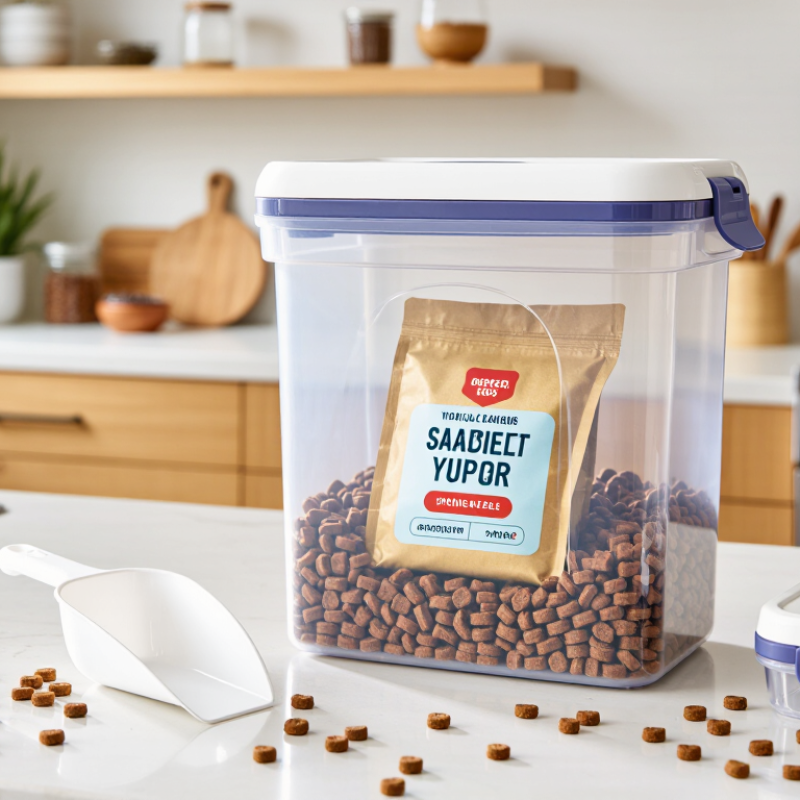
How to prevent pet food from spoiling begins with a few careful habits: keep the food in its original bag, close the bag tightly, and place it inside a clean, airtight container. Store it away from sunlight, steam, and strong-smelling household products. Use a dry scoop. Wash and fully dry the container before adding a new bag, rather than topping up old kibble. Small steps matter.
Veterinary nutritionist Dr. Cailin Heinze is a useful expert to consult on pet nutrition. A practical storage reminder for this guide is: “Keep pet food sealed, dry, and cool.” This is a concise summary, not a verbatim quotation from Dr. Heinze. Check the package for its storage instructions and use-by date; when food smells rancid, feels damp, or shows mold, do not serve it. Trust your senses, but do not rely on appearance alone. Sometimes the container looks spotless, yet crumbs remain in its corners. That deserves attention.
The following ten tips focus on realistic routines, from choosing a storage location to handling opened cans. No container can fix careless handling. A little reflection helps: are you storing food for convenience, or keeping it fresh for your pet?
China’s climate changes how quickly opened pet food loses freshness. The China Meteorological Administration’s 2023 climate bulletin recorded a national mean temperature of 10.7°C, the highest since 1961. But one national average cannot describe every home: hot, humid southern summers create different storage risks from dry northern winters. Warmth speeds fat oxidation, while moisture can soften kibble and encourage mold. A bag beside a sunny window or steamy cooker is exposed to both.
The U.S. Food and Drug Administration advises storing dry pet food in a cool, dry place below 80°F (about 27°C). In humid regions, seal the original bag after each feeding and place it inside an airtight container. Keep the container off the floor and away from sinks, balconies, and direct sunlight. Small, frequent purchases can also reduce the time food sits open. Smell matters, but it is not a reliable freshness test on its own.
Tip: Check the storage area on rainy days, not just when you buy the food. Wipe a damp container before refilling it, and never mix fresh kibble with old crumbs. A little inconvenient, yes—but residue can hold stale oils and moisture. Follow the package’s storage directions, and discard food with unusual odor, visible mold, or damaged packaging.
Choose a cool, dry cupboard, away from ovens, radiators, direct sunlight, and sinks. Heat and humidity can speed quality loss, while damp corners invite mold. The U.S. Food and Drug Administration advises keeping dry pet food below 80°F (27°C) and storing it in its original bag. A cupboard can look clean but still get warm each afternoon. Check the temperature, not just the appearance.
Use a clean, airtight container to protect the bag from moisture and pests, but keep the food inside its original packaging. The bag helps preserve product information and creates a barrier between food and the container. FEDIAF’s 2024 Nutritional Guidelines classify dry pet food as containing up to 14% moisture; low moisture does not make it immune to humid storage. Keep the container off the floor, away from cleaning products, and close the lid after each scoop. Wash and fully dry it before refilling. Mixing fresh kibble with old crumbs is tempting, but it can leave stale residue behind. FDA pet-food handling guidance also recommends keeping food in its original package and cleaning storage containers between batches. I would not assume a sealed lid fixes a poor location. A cooler shelf matters too.
Dry kibble starts losing protection once its bag is opened. Roll the top tightly, squeeze out excess air, and secure it with a clip; then keep the bag inside a clean, airtight container. The FDA recommends storing dry pet food below 80°F (about 27°C) and keeping it in its original bag, which carries product and lot details. A plastic bin alone is not always better: crumbs and oily residue can remain inside. Wash and fully dry the container between refills. Small detail, real difference.
Portion only a few days’ supply into a smaller sealed tub, and leave the main bag closed between refills. Use a clean, dry scoop, not a damp cup from the sink. Keep food away from sunlight, ovens, and humid laundry rooms; warmth and moisture can speed rancidity and encourage mold.
The FDA’s pet-food handling guidance also advises washing hands and food bowls regularly. For practical rotation, write the opening date on the bag and follow its label for use after opening. I would not treat “looks fine” as proof: stale oils may not be obvious, and storage routines are easy to neglect.
Opened wet food needs careful handling because moisture and warmth help microbes grow. After serving, cover leftovers promptly and refrigerate them in a clean, tightly sealed container. Keep the refrigerator at 40°F (4°C) or colder, and follow the package directions for storage time. Many opened cans are best used within three to five days, but the label should guide you.
Tips: Use clean utensils each time. Mark the opening date. Serve a small portion, then return the rest to the fridge quickly. Do not leave wet food at room temperature for more than two hours, or one hour in hot conditions. Discard food that has sat out too long. A bad smell is a warning, but food can be unsafe without one.
It can feel wasteful to toss a partly full can. Still, judging safety by appearance is unreliable. If your pet eats slowly, chill the remainder promptly in a covered container. Let a chilled serving lose its chill briefly before feeding, but do not leave it sitting out. Never microwave food in its can; transfer it to a microwave-safe dish and stir well to reduce hot spots. If storage directions are unclear, ask a veterinary professional.
Check Dates and Recognize Signs of Spoilage
Dates are useful clues, not a substitute for inspection. Check the package’s printed date before buying and again before serving. After opening, note the date on the bag or container; dry food can be affected by heat, humidity, and air well before it looks obviously spoiled. Follow the storage instructions on the package, and keep the original label nearby for ingredient and batch details. A cool, dry cupboard is usually better than a spot beside a stove or sunny window.
Tips: Use older, properly stored food before newer purchases. Keep dry food in its original bag, placed inside a clean, tightly closed container. Wash and fully dry the container between refills. Small details matter.
Look for mold, insects, damp clumps, damaged seals, or a change in color or texture. A sour, musty, or rancid smell is a warning sign. For wet food, discard cans or pouches that are swollen, leaking, badly dented, or have broken seals. Never taste it. If the food seems unusual, do not serve it; replace it and clean the storage area. Smell alone cannot confirm safety, and I might miss a subtle change on a rushed morning. A quick check helps, but it is not perfect.
| Tip | Storage Practice | What to Check | Why It Matters |
|---|---|---|---|
| 1. Check dates before feeding | Read the “best before” or expiration date and follow any storage instructions on the package. | Do not use food that is past its stated date or whose date and label details are unreadable. | Dates and label directions help you use the product within the period intended by its manufacturer. |
| 2. Keep dry food cool and dry | Store it in a cool, dry place away from direct sunlight, ovens, and other heat sources. In humid conditions, keep the storage area especially dry. | Look for dampness, condensation, clumping, or signs of insects. | Heat and moisture can reduce food quality and encourage spoilage or pest activity. |
| 3. Seal the package after each use | Press excess air from the original bag and close it securely with a clip or resealable seal. | Check that the closure is intact and the bag has no tears or punctures. | Limiting exposure to air and moisture helps preserve freshness and reduces contamination risk. |
| 4. Use a clean, dry storage container | If using a container, keep the food in its original bag and place the whole bag inside. Clean and completely dry the container before refilling it. | Check for old crumbs, grease, moisture, or residue from a previous batch. | Keeping the original packaging helps retain product and lot information; a clean container avoids leftover residue. |
| 5. Rotate food by date | Use older, still-in-date packages first. Avoid mixing a new batch with old food before the container is emptied and cleaned. | Compare package dates and lot details when opening a new bag or can. | Rotation makes it easier to use food in order and notice changes in a newly opened batch. |
| 6. Refrigerate opened wet food | Cover opened cans or pouches, refrigerate promptly, and follow the package’s instructions for storage and use after opening. | Discard food that has been left out too long, or that develops an unusual smell, color, or texture. | Refrigeration slows spoilage; the product label is the best guide for how long an opened product can be kept. |
| 7. Handle serving utensils safely | Use a clean, dry scoop for dry food and a clean spoon for wet food. Keep utensils out of pet bowls and food containers between servings. | Do not return uneaten food from a bowl to its original package or container. | Clean handling helps prevent food from being contaminated by saliva, water, or food residue. |
| 8. Inspect packaging before use | Examine bags, cans, and pouches before opening. Store packages where pets and pests cannot damage them. | Avoid products with torn or wet bags, broken seals, leaks, deep dents, or swollen cans. | Damaged packaging may compromise the food’s protection. Do not taste food to decide whether it is safe. |
| 9. Recognize visible or smell-related warning signs | Check the food when opening a package and again if it looks or smells different than usual. | Discard food with mold, an unusual rancid or sour odor, unexpected discoloration, abnormal texture, or evidence of pests. | These changes can indicate spoilage or contamination. When in doubt, do not feed it to your pet. |

| 10. Keep a note of opening dates | Write the date a bag, can, or pouch is opened on the package or a storage label. | Use the opening date together with the manufacturer’s after-opening directions. | This makes it easier to track how long food has been open and avoid keeping it beyond the recommended period. |
Important: When storage guidance differs, follow the product label. If your pet eats food that appears spoiled or becomes unwell, contact a veterinarian.
Keep food in its original bag. Roll the top tightly, press out excess air, and secure it with a clip. Place the bag inside a clean, airtight container.
Keeping the original bag inside the bin helps preserve its product and batch details. Crumbs and oily residue can linger in bins. Wash and fully dry the container between refills.
Set aside only a few days’ supply in a small, sealed tub. Keep the main bag closed between refills. Use a clean, dry scoop.
Choose a cool, dry place below 80°F (about 27°C). Avoid sunlight, ovens, and humid laundry rooms. Not always easy to remember.
Write the opening date on the bag or container. Check the printed date before buying and serving. Follow the package instructions for use after opening.
Use older food first if it has been stored properly. Keep the original label nearby for ingredient and batch details.
Look for mold, insects, damp clumps, damaged seals, or changes in color and texture. Sour, musty, or rancid smells are warning signs. Do not serve unusual food.
No. Smell can reveal a problem, but it cannot confirm safety. I might miss a subtle change on a rushed morning.
Discard swollen or leaking cans and pouches, badly dented cans, or packs with broken seals. Never taste it. Clean the storage area afterward.
China’s warm, humid summers and changing seasonal conditions can speed up pet food spoilage, so storage habits matter. To understand how to prevent pet food from spoiling, keep food in a cool, dry place away from sunlight, heat, dampness, and strong odors. Choose a clean, airtight container, and make sure it is completely dry before adding food. Keeping the original packaging inside the container can help preserve product information and provide an extra barrier.
For dry food, close the package tightly after each use and consider dividing it into smaller portions to limit repeated exposure to air and moisture. Refrigerate opened wet food promptly in a covered container, follow its package guidance for use, and avoid leaving it at room temperature for extended periods. Check dates before serving, and regularly inspect the food for unusual smells, mold, discoloration, clumping, damaged packaging, or changes in texture. When in doubt, do not feed it to your pet.