How to Understand the Popularity of Grain Free Food for Pets?

Time:2026-05-05 Author:Liam
0%

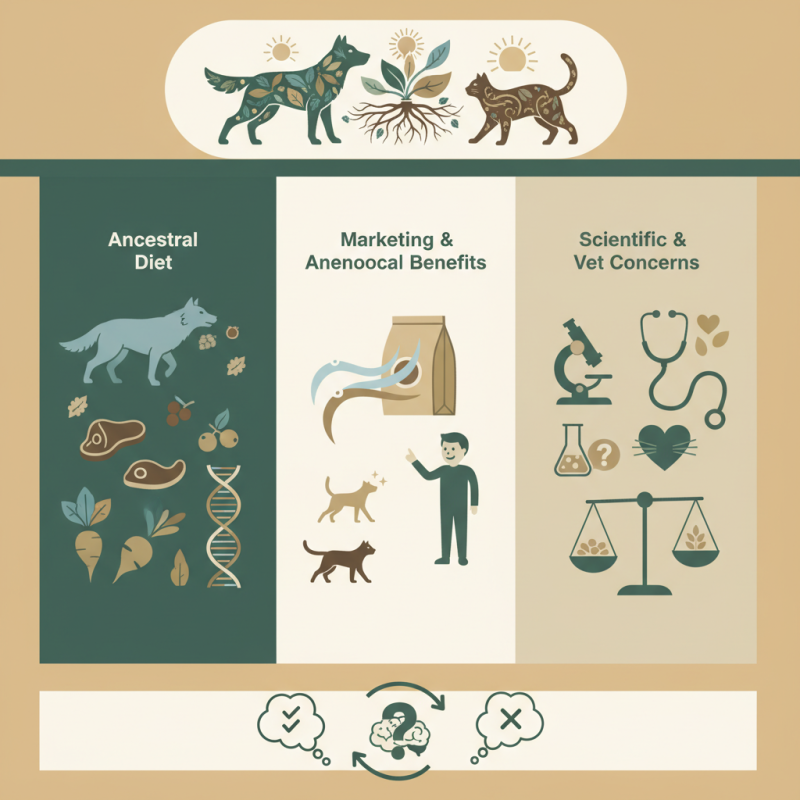
The rising popularity of grain-free food for pets has captured the attention of many pet owners. But why is grain-free food popular for pets? One key reason is the belief that these diets mimic a more natural, ancestral way of feeding canines and felines. Many owners want to provide what they think is best for their pets, often turning to grain-free options as a solution for allergies or sensitivities.

Additionally, numerous pet food companies emphasize the benefits of high-quality proteins and fresh ingredients. This marketing can influence perceptions about the health advantages of grain-free diets. Some pet owners report improvements in their pets’ energy levels and overall health after transitioning. However, not all experts agree on grain-free diets. There are valid concerns that they may not meet all nutritional needs.

Pet parents should weigh the claims of grain-free food against scientific research. Consulting with veterinarians can provide insights into whether these diets are appropriate. Understanding both the potential benefits and drawbacks is crucial for making informed feeding choices. Overall, the grain-free trend reflects a complex mix of marketing, science, and personal beliefs.
How to Understand the Popularity of Grain Free Food for Pets?

The Rise of Grain-Free Pet Food: An Overview

The rise of grain-free pet food reflects a shift in consumer attitudes toward pet nutrition. Many pet owners believe that these diets offer a healthier option. They think grain-free foods improve their pets' overall well-being. This perception is often fueled by anecdotes and personal experiences shared among pet communities.

Understanding the popularity of grain-free options involves recognizing the concerns many owners have about grains. Some believe grains can contribute to allergies, digestive issues, or obesity in pets. However, research on this topic can be inconclusive. Pet health is complex and varies greatly by individual needs. Engaging with a veterinarian can clarify what diet is best for a specific pet.

Tips:
When considering a grain-free diet, monitor your pet’s health closely. Look for signs of allergic reactions or weight changes. Speak with a vet to ensure that the diet meets nutritional needs. Remember, not all pets thrive on grain-free food; some may do better with grains included. It's crucial to evaluate your choices regularly for the best outcomes.

Nutritional Benefits of Grain-Free Diets for Pets

Grain-free diets for pets have gained significant attention in recent years. These diets focus on alternative carbohydrate sources, such as sweet potatoes and peas. Many pet owners believe these options can better mimic their pets’ ancestral diets. This belief reflects a growing interest in natural feeding practices.

Research suggests that a grain-free diet can have several nutritional benefits. These diets often provide higher protein levels. Increased protein can support muscle development and energy for active pets. Additionally, some pets with grain sensitivities may thrive on grain-free food. This approach can alleviate digestive issues, leading to better nutrient absorption.

However, it’s important to consider all aspects of pet nutrition. Some experts warn that a grain-free diet may not be suitable for every pet. Nutritional balance is key. Owners should consult with veterinarians before making dietary changes. The right choices depend on each pet's unique health needs and lifestyle.

Understanding the Ingredients in Grain-Free Pet Foods

Grain-free pet foods have surged in popularity, appealing to pet owners seeking healthier options. Understanding the ingredients is crucial for making informed choices. Typically, these foods substitute grains with proteins and alternative carbohydrates. Common ingredients include peas, lentils, and sweet potatoes, which provide essential nutrients.

A 2022 survey indicated that 23% of pet owners choose grain-free options for perceived health benefits. Many associate grains with allergies or digestive issues. However, not all pets require a grain-free diet. Some pets thrive on a balanced diet that includes grains. It's essential to consider your pet's specific needs and consult with a veterinarian.

**Tip:** When selecting grain-free foods, check for balanced ingredients. Look for a variety of protein sources and healthy fats. Avoid foods with fillers, like corn or wheat, which add little nutritional value. Remember, every pet is different, and their dietary needs may vary.

Additionally, investigate potential risks associated with grain-free diets. Some studies suggest a link between grain-free diets and heart disease in dogs. This highlights the importance of ongoing research and cautious product selection. Always stay informed about the latest nutritional guidelines for pets.

How to Understand the Popularity of Grain Free Food for Pets? - Understanding the Ingredients in Grain-Free Pet Foods

Ingredient Type Description Nutritional Benefits Common Sources
Protein Sources Animal-based proteins that help in building and repairing tissues. Supports muscle development and overall health. Chicken, turkey, beef, fish
Fruits Natural source of vitamins, minerals, and antioxidants. Boosts immune function and provides energy. Blueberries, apples, cranberries
Vegetables Rich in fiber and nutrients, beneficial for digestive health. Promotes healthy digestion and weight management. Carrots, peas, spinach
Healthy Fats Essential fatty acids that support skin and coat health. Improves skin condition and promotes a shiny coat. Fish oil, flaxseed oil
Carbohydrate Alternatives Non-grain sources of carbohydrates. Provides energy without gluten. Sweet potatoes, lentils, peas

Health Implications: Grain vs. Grain-Free for Pets

The debate over grain-free diets for pets is gaining momentum. Many pet owners believe these diets might enhance their furry friends' health. However, the reality is more nuanced. Some pets thrive on grain-free foods, while others suffer adverse effects.

Grains are often blamed for food allergies and sensitivities. However, research indicates that few pets are truly allergic to grains. In fact, animal proteins are more likely to trigger allergies. It's essential to consult a veterinarian before making drastic dietary changes. A comprehensive assessment of your pet's health will provide clarity.

Furthermore, grain-free options can come with unintended consequences. Some formulations are high in legumes and pulses, which may lead to heart issues in certain breeds. Regular vet check-ups and blood tests can help monitor any potential risks. Understanding your pet's unique nutritional needs is vital for their well-being.

Consumer Trends and Preferences in Pet Food Choices

Pet owners are increasingly choosing grain-free food for their furry companions. This trend is driven by perceptions of better health benefits. Many believe that grains can lead to allergies and digestive issues. As a result, they seek alternatives that align with these health concerns. The desire for natural ingredients significantly influences pet food choices.

Consumer preferences reflect a shift towards higher-quality formulas. The holistic approach of grain-free diets often emphasizes protein-rich ingredients. Many owners value transparency in sourcing and production. They prefer food that is free from artificial additives and fillers. In fact, there is a growing demand for clarity in labeling and ingredient lists.

However, not all grain-free options are created equal. Some products may lack essential nutrients. It's vital for consumers to research and consult with veterinarians. The risk of over-relying on popularity can lead to imbalanced diets. Evaluation of individual pet needs remains crucial in this evolving landscape.

FAQS

: What is grain-free pet food?

: Grain-free pet food excludes grains like wheat and corn. It's designed to cater to specific dietary needs.

Why do pet owners choose grain-free options?

Many believe grain-free diets improve health and reduce allergies. This perception drives their purchasing decisions.

Are there any health concerns related to grains in pet food?

Some owners worry grains may cause allergies or digestive issues. Research on this topic is not definitive.

How can I determine if grain-free food is right for my pet?

Consult a veterinarian. They can help assess your pet's dietary needs and determine the best options.

What should I monitor when switching to a grain-free diet?

Watch for allergic reactions, weight changes, and overall health. Regular monitoring ensures the best outcomes.

Do all pets thrive on grain-free diets?

No, not all pets do well without grains. Some may require grains for balanced nutrition.

How do consumer trends affect pet food choices?

There is a shift towards natural, high-quality ingredients. Owners prioritize transparency and avoid artificial additives.

Are all grain-free pet foods nutritious?

No, some might lack essential nutrients. It's important to research and read labels carefully.

What are the risks of popular grain-free diets?

Relying solely on trends may lead to imbalanced diets. Individual pet needs should always guide diet choices.

How can I evaluate my pet's diet?

Regularly assess ingredients and health. Consulting a vet ensures your pet's nutritional needs are met.

Conclusion

The article explores the increasing popularity of grain-free food for pets, addressing the key question: "Why is grain-free food popular for pets?" It begins with an overview of the rise of grain-free diets, detailing how changing perceptions of pet nutrition have fueled this trend. The nutritional benefits of such diets are highlighted, emphasizing how they can provide pets with essential nutrients while avoiding potential allergens found in grains.

Furthermore, the article delves into the ingredients commonly used in grain-free pet foods and juxtaposes the health implications of grain versus grain-free options for pets. It also examines consumer trends and preferences, illustrating how pet owners are increasingly seeking out grain-free options due to a combination of health awareness and personal beliefs about pet nutrition. Overall, the article succinctly captures the multifaceted reasons behind the allure of grain-free pet food in contemporary pet care practices.

Liam

Liam

Liam is a dedicated marketing professional with a profound expertise in the industry, where he excels at highlighting the unique advantages of our core products. With a keen understanding of market trends and consumer needs, Liam frequently updates our company’s professional blog, providing......