Why Is Vet Recommended Food Important for Pets?

Time:2026-11-15 Author:Madeline
0%

Why Is vet recommended food important? The answer begins with the animal in front of you, not the package on a shelf. A growing puppy, an older cat with kidney disease, and an active adult dog have different nutritional needs. A veterinarian can assess age, body condition, medical history, and daily habits before suggesting a suitable diet. That guidance may help manage a health condition, support healthy growth, or prevent excess weight. It is not a promise of a cure. Food matters, but it is only one part of care.

Veterinary nutritionist Dr. Cailin Heinze’s guidance is often summarized this way: “There is no one-size-fits-all diet for pets.” The principle is useful, though the details matter. A recommendation should reflect the pet’s needs and rely on complete, balanced nutrition—not simply persuasive packaging or a “premium” label. Look for practical signs, too: measured portions, steady energy, healthy skin, and consistent stools. Small details count.

There are limits. A recommended food may cost more, be hard to find, or need gradual introduction. And a pet’s needs can change. Ask the veterinarian what the food is meant to address, how much to feed, and when to reassess. Keep the label. Note changes. If concerns arise, check back with the clinic rather than switching repeatedly. Why is vet recommended food important? Because informed, individual guidance can make feeding decisions safer and clearer—while leaving room to review what is, and is not, working.
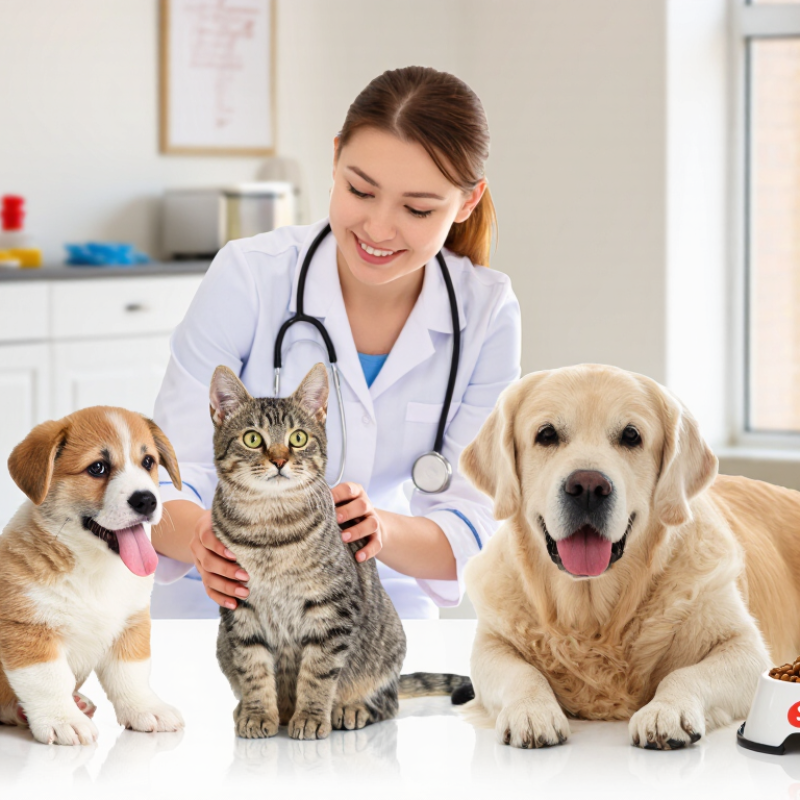
Why Is Vet Recommended Food Important for Pets?

What Defines Veterinarian-Recommended Pet Food?

Veterinarian-recommended pet food is chosen to fit an animal’s age, health, and nutritional needs—not simply because its label looks appealing. A veterinarian may review whether the food is complete and balanced for the pet’s life stage, how it is formulated, and what evidence supports its use. It depends. A growing puppy, an older cat, and a pet with a diagnosed condition may need different nutrient profiles. “Recommended” does not mean one food suits every animal.

The recommendation should make sense for the individual pet. A veterinarian may consider weight, appetite, digestion, activity, medical history, and changes such as increased thirst. For a therapeutic diet, professional guidance matters; the food may be part of a monitored care plan. Ingredient lists alone cannot show whether a diet meets a pet’s needs. Nor does a recommendation guarantee that a food will work forever. Even a thoughtful choice may need revisiting when health or circumstances change.

Tips: Ask what the food is intended to support and how to monitor results. Keep notes on portions, stool, skin, and weight. Make diet changes gradually when advised, and contact your veterinarian if symptoms appear or persist.

How Veterinarians Assess a Pet’s Nutritional Needs

Veterinarians assess nutrition by looking at the whole pet, not just the food bowl. They ask about age, activity, appetite, treats, and any recent changes in weight or digestion. A puppy that races around the yard has different needs from an older cat that naps most of the day.

During an exam, the vet may feel along the ribs and spine, check muscle tone, and assess body condition. Small details matter. A dull coat, gradual weight gain, or trouble chewing can change the discussion. The vet may also review medical history and recommend tests when symptoms suggest an underlying problem.

Numbers are clues. Weight and body-condition scores help guide portion sizes, but they are not perfect on their own. A recommendation may account for growth, pregnancy, allergies, kidney disease, or recovery after illness. Some pets need a specific nutrient balance; others may do well with a complete, balanced diet and measured portions. Even careful estimates can miss how much a pet receives from household snacks. Keeping a short food diary, with amounts and treat details, gives the veterinarian a clearer picture at follow-up visits.

Why Is Vet Recommended Food Important for Pets? - How Veterinarians Assess a Pet’s Nutritional Needs
Assessment area What the veterinarian evaluates Why it matters for nutrition How a recommendation may help
Life stage and growth Age, expected adult size, growth pattern, pregnancy or nursing status, and whether the pet is an adult or senior. Nutrient and energy needs vary with growth, reproduction, and aging. A diet suitable for one life stage may not be appropriate for another. Identify a food labeled as complete and balanced for the pet’s relevant life stage and feeding purpose.
Body condition and weight Body weight, body condition score, muscle condition, and changes in weight over time. Both excess and inadequate body weight can affect health. Portion needs depend on the individual pet, not just the feeding guide on a package. Set a practical calorie and portion plan, with adjustments based on progress and regular reassessment.
Medical history and current health Diagnoses, symptoms, medications, previous treatments, and relevant examination findings. Some health conditions can change nutrient needs or require a carefully selected therapeutic diet as part of veterinary care. Choose an appropriate diet when indicated and coordinate feeding with the pet’s broader treatment plan.
Activity and daily routine Exercise, indoor or outdoor lifestyle, work or sport, feeding schedule, and treats or table foods. Energy needs vary with activity, while extras can add calories and affect the balance of the overall diet. Tailor portions and feeding routines to the pet’s lifestyle and include treats in the daily plan.
Current diet and feeding history Food type, amount, feeding frequency, supplements, appetite, food preferences, and any recent diet changes. Knowing what a pet actually eats helps identify possible nutrient gaps, excesses, intolerance concerns, or feeding challenges. Provide a clear, feasible feeding plan and, when appropriate, guidance for a gradual diet transition.
Digestive signs and food reactions Vomiting, stool changes, itching, ear or skin problems, and the timing of signs in relation to foods. These signs can have many causes; a structured veterinary assessment helps avoid unnecessary ingredient restrictions or delayed diagnosis. Determine whether a supervised elimination trial or another dietary approach is appropriate and how to conduct it consistently.
Examination and diagnostic findings Physical examination findings and, when medically indicated, laboratory tests or other diagnostic results. Findings may reveal health concerns that affect appetite, nutrient handling, hydration, or dietary choices. Connect dietary advice to the pet’s clinical findings rather than relying on a one-size-fits-all approach.
Response and ongoing monitoring Changes in weight, body and muscle condition, appetite, energy, and relevant clinical signs after a diet is started. A suitable plan may need adjustment as a pet’s health, activity, or life stage changes. Support follow-up decisions, including portion changes or reconsideration of the diet if the expected response does not occur.
Important: Not every pet needs a prescription or therapeutic food. A veterinarian’s recommendation should reflect the individual pet’s health and nutritional needs; consult a veterinarian before making major diet changes, especially when a pet has a medical condition.

Which Health Conditions May Require Specialized Diets?

Which Health Conditions May Require Specialized Diets?

A veterinarian may recommend a therapeutic diet when a health condition changes what a pet can safely digest or eliminate. Chronic kidney disease may call for adjusted phosphorus and protein levels; urinary stones may require carefully balanced minerals and moisture. Food allergies can need a strict elimination diet, while diabetes often benefits from consistent meal timing and measured portions. The right plan depends on diagnosis, test results, and the pet’s age. Diet is not a magic switch.

Weight management is another common reason for veterinary guidance. The Association for Pet Obesity Prevention’s 2022 survey estimated that 59% of dogs and 61% of cats in the United States were overweight or obese. Extra weight can complicate joint disease and diabetes. Still, calorie needs vary, and a generic “light” food may not fit a pet’s medical needs. WSAVA’s Global Nutrition Guidelines encourage nutritional assessment as part of veterinary care, helping teams consider body condition, health history, and feeding habits together.

Tips: Bring the food label and a three-day feeding log to your appointment. Include treats. Ask how much to feed, what changes to watch for, and when to recheck progress. Make diet changes with veterinary guidance, especially if your pet has kidney, urinary, or blood-sugar problems. A small detail, like an unmeasured handful, can matter.

How Appropriate Nutrition Supports Health and Recovery

Why Is Vet Recommended Food Important for Pets?

How Appropriate Nutrition Supports Health and Recovery

When a pet is unwell, nutrition can support the body’s daily needs and recovery. A veterinarian may recommend food with a particular nutrient balance, texture, or calorie level based on the animal’s condition. For example, a dog recovering from surgery may need enough energy and protein, while a cat with a diagnosed urinary problem may benefit from a carefully selected diet. The right choice depends on the pet, not just the diagnosis. Details matter.

Some recommended foods are designed to support specific health needs, but they do not replace medication, examinations, or follow-up care. A sudden food change can also upset digestion, so ask the veterinary team how to transition and how much to serve. Watch for changes in appetite, stool, thirst, or energy, and share them with the clinic. Recovery can be uneven. A pet may refuse a new texture or eat less on a stressful day; that is worth discussing rather than guessing. Keep the feeding plan practical, and revisit it if your pet’s condition or weight changes.

How to Introduce and Monitor a Veterinary Diet

A veterinary diet should be introduced according to the plan your veterinarian recommends. Some foods need a gradual transition over several days; others may require a different schedule. Ask the clinic what suits your pet’s diagnosis and whether the new food should be served alone. Go slowly. Offer measured portions at consistent times, and keep fresh water available. Treats, table scraps, and food from other pets can affect the plan, so ask which extras are appropriate. Separate bowls can help you see what your pet actually eats.

Keep notes. Record appetite, stool changes, vomiting, thirst, energy, and any symptoms the diet is meant to address. Weigh your pet at the interval your veterinarian suggests, using the same scale when possible. A brief diary may feel fussy, but it can reveal changes that are easy to miss day to day. Some pets refuse unfamiliar food at first; that can be frustrating. Don’t force-feed or stop the diet without veterinary advice. Contact the clinic if your pet persistently refuses food, develops ongoing stomach upset, becomes unusually tired, or seems worse. Ask when to check in and what changes would require prompt care.

Introducing a Veterinary Diet Gradually

Example 7-day transition: increase the veterinary diet gradually while reducing the previous food. Follow your veterinarian’s specific instructions, as some diets require a different schedule.

Monitor: appetite, stool consistency, vomiting, and energy each day. If problems arise, contact your veterinarian; they may recommend slowing or changing the transition.

FAQS

What makes a pet food veterinarian-recommended?

It should fit the pet’s age, health, and nutritional needs. A veterinarian may also review its formulation and supporting evidence.

Does one recommended food suit every pet?

No. A growing puppy, older cat, and pet with a diagnosed condition may need different nutrient profiles. It depends.

Can ingredient lists show whether a food is suitable?

Not by themselves. A list cannot confirm whether the food meets an individual pet’s needs.

When should I ask about a veterinary diet?

Ask what the diet is intended to support and how to monitor results. For a therapeutic diet, follow professional guidance.

How should I introduce a new diet?

Follow your veterinarian’s transition plan. Some foods need a gradual change over several days; others may need a different schedule. Go slowly.

What details should I track?

Note portions, appetite, stool, vomiting, thirst, energy, and weight. A short diary can reveal changes that are easy to miss.

Can treats or food from another pet affect the plan?

Yes. Treats, table scraps, and shared bowls can make intake harder to track. Ask which extras are appropriate.

What if my pet refuses the food or seems worse?

Don’t force-feed or stop the diet without veterinary advice. Contact the clinic about persistent refusal, ongoing stomach upset, unusual tiredness, or worsening symptoms. A plan may need revisiting.

Conclusion

Why is vet recommended food important for pets? It provides nutrition selected to match an animal’s age, size, lifestyle, and health needs. Veterinarians consider factors such as body condition, medical history, activity level, and current symptoms before recommending a diet. This helps ensure that food supports everyday wellbeing while addressing specific nutritional requirements rather than relying on a one-size-fits-all approach.

Some pets may benefit from specialized diets when managing issues such as food sensitivities, digestive problems, weight concerns, or kidney and urinary conditions. Appropriate nutrition can support health and recovery, but a veterinary diet should be introduced gradually and followed as directed. Monitor appetite, digestion, energy, weight, and other changes, and check in with the veterinarian if concerns arise. Regular follow-up helps determine whether the diet is working and whether adjustments are needed over time.

Madeline

Madeline

Madeline is a dedicated marketing professional with a wealth of expertise in our company's core offerings. With a keen understanding of the industry, she brings a unique perspective to her role, consistently delivering high-quality content that highlights the superior aspects of our products. As......