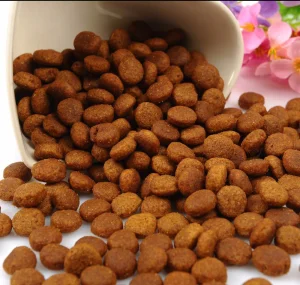
 Dry Food for Adult Dogs of All Breeds OEM 20kg Dry Dog Food Pet Staple Food
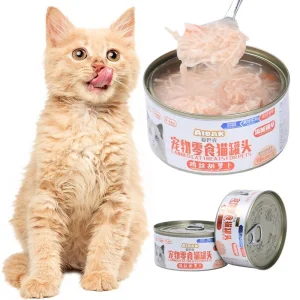 OEM Hot Selling Premium 170g Organic Tuna Canned Food Cat Wet Food Cat Treats Pet Food Pet Treats
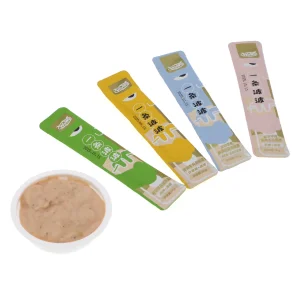 Premium Wet Cat Food Dog Creamy Treats Pet Animal Feed Food Supply
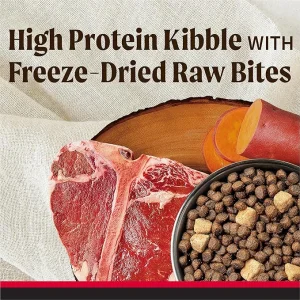 Baked Dry Dog Food Cat Food OEM Service for Healthy Pet Food
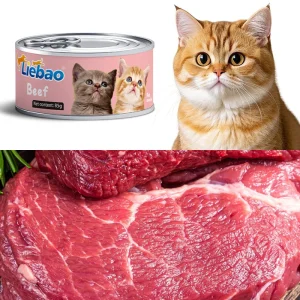 High Protein Natural Formula Cat Wet Food Canned Pet Snacks Dog Treats
 Wholesale 100% Natural Raw Beaf Wet Food Canned Pet High Nutrition Raw Meat Canned Staple Food for Dogs
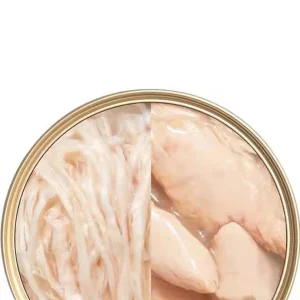 Factory Selling 100% Natural Raw Beaf Wet Food Canned Pet High Nutrition Raw Meat Canned Staple Food for Dogs
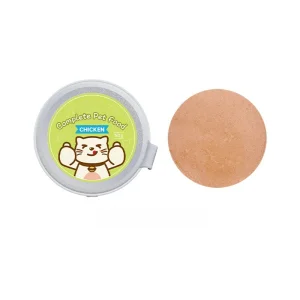 Rich Meat Wet Can Pet Food Chicken Shrimp Tuna 50g Cat Food
The global pet food industry is undergoing a paradigm shift towards "Human-Grade" and "Ancestral Diets." Raw dehydrated pet food has emerged as the gold standard for pet owners who seek the nutritional benefits of a raw diet with the convenience of dry kibble. By removing moisture at low temperatures, the essential enzymes, vitamins, and minerals remain intact, providing a nutrient-dense meal that supports digestion, coat health, and immunity.
From North America to the European Union, the demand for high-protein, low-carb alternatives is skyrocketing. This industrial trend is driven by the "Pet Humanization" movement, where buyers are no longer looking for mere calories, but for functional longevity for their companions.
As a leading China Raw Dehydrated Pet Food Manufacturer, Yantai Mels Pet Food Co., Ltd. integrates AI-optimized supply chain management with traditional nutritional science. China's manufacturing sector offers an unparalleled advantage in sourcing high-quality raw materials—such as grass-fed beef, organic poultry, and fresh-caught seafood—at competitive price points that Western facilities often struggle to match.
Our facility utilizes smart sensors to monitor dehydration temperatures with 0.1°C precision, ensuring that every batch meets international safety standards like ISO 22000 and BRC. For global distributors, this means high-margin products with consistent quality and shelf-stable reliability.

Yantai Mels Pet Food Co., Ltd. is a professional enterprise that engaged in pet food research and development, production and sales, combining with healthy breeding research and care for pets.
Our products are healthy and natural with high quality, which is animal protein and diverse dietary fibers balanced, adding fruits, vegetables and diverse vitamins, that is the division of each component is more suitable for the health and growth of pets. In order to meet different clients demands, we absorb their comments and suggestions and then we constantly upgrade our recipe scientifically on our classical manufacturing experience basis.
Our factory covers an area of over 30,000 square meters, of which include more than 20,000 square meters of standardized production workshop and advanced equipment, the annual output up to 60,000 tons, which can meet the demands of 500,000 dogs and cats in a year. In order to make our products health and quality assurance, we adopt the most advanced pet food production equipment.
International procurement managers from the UK, USA, and Southeast Asia are increasingly looking for OEM/ODM partners who can provide localized solutions. Whether it's grain-free recipes for the European market or high-moisture toppers for the Asian market, we provide tailored formulations.
Raw dehydrated food is uniquely suited for:
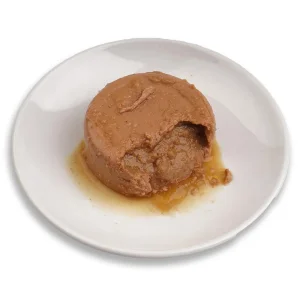
The next decade of pet nutrition belongs to Smart Processing. We are investing in AI-driven moisture analysis and flavor profile mapping to ensure that "Palatability" meets "Health." The trend is moving away from generic meat meals toward identifiable whole-food ingredients. As a top China supplier, we are at the forefront of this movement, offering freeze-dried and dehydrated blends that cater to the pickiest eaters.
Sustainability is another key factor. Our factory optimizes energy consumption during the dehydration process, reducing the carbon footprint per ton of food produced, a critical requirement for modern global procurement contracts.
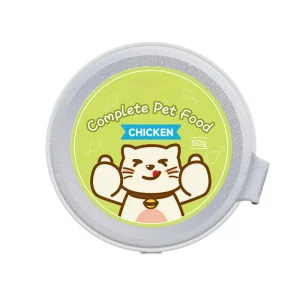 Wet Cat Dog Food Cat and Dog Snacks 40g 50g Small Cup Pet Food
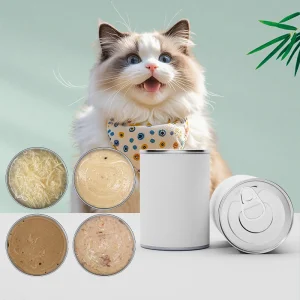 High Quality Factory Wholesale Cat Snacks Food Pet Canned Snack Treats
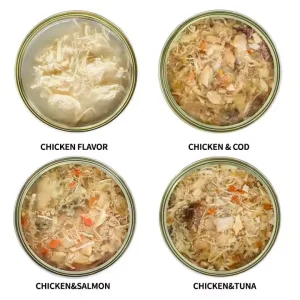 Wet Cat Food Chicken and Salmon Dinner in Gravy Pet Food Soup
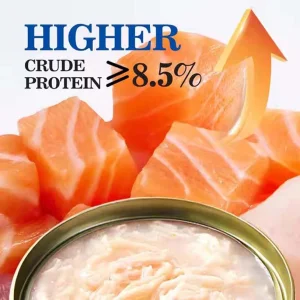 Pet Products Wholesale 100% Natural 170g Raw Cat Wet Food Canned Cat High Nutrition Raw Meat Canned Staple Food
Chicken/Beef/Salmon Mousse Complete Wet Food Pet Food
Baked Dry Dog Food Cat Food OEM Service
Premium Wet Cat Food Dog Creamy Treats
Organic Tuna Canned Food Cat Wet Food Pet Treats
Pet Products Wholesale 100% Natural 170g Raw Cat Wet Food Canned Cat High Nutrition Raw Meat Canned Staple Food
Chicken/Beef/Salmon Mousse Complete Wet Food Pet Food
Baked Dry Dog Food Cat Food OEM Service
Premium Wet Cat Food Dog Creamy Treats
Organic Tuna Canned Food Cat Wet Food Pet Treats
 Mels Pet