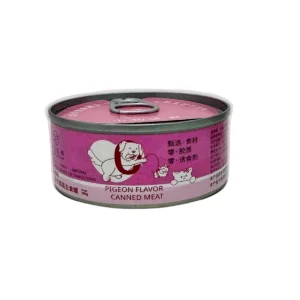
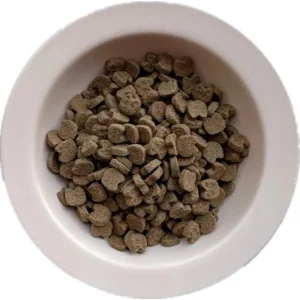
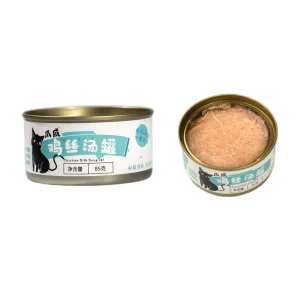
Explore our primary selection of scientific diets engineered to address pet obesity while maintaining optimal protein levels, balanced fibers, and vital micronutrient densities.
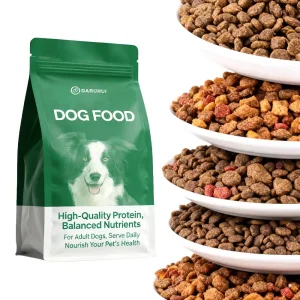
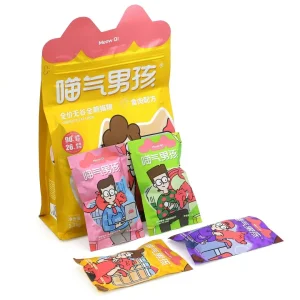
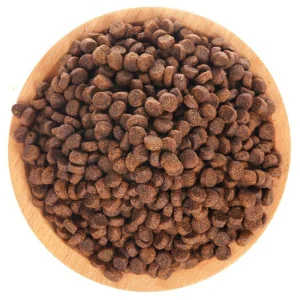
Obesity in companion animals has emerged as one of the most prominent clinical conditions in modern veterinary medicine globally, and its impact is expanding rapidly into developing and urbanized pockets of Southern Africa. For the Kingdom of Lesotho, characterized by unique macroeconomic dynamics, high dependence on agricultural imports, and a maturing pet ownership culture in urban centers such as Maseru, Mafeteng, and Leribe, addressing this health trend requires robust, cost-effective, and scientifically verified nutritional solutions.
"According to global veterinary consensus, over 50% of adult dogs and cats are classified as overweight or obese. In South Africa and Lesotho, regional diagnostics demonstrate a parallel rise in metabolic diseases, diabetes mellitus, osteoarthritis, and cardiorespiratory compromise in urban pet populations due to calorie-dense dietary patterns and sedentary lifestyles."
The commercial landscape of pet nutrition in Lesotho is characterized by high integration within the Southern African Customs Union (SACU) supply chains. Currently, the majority of premium and specialized veterinary diets are imported via South Africa, creating structural inefficiencies, premium markups, and supply vulnerabilities for local retail chains, supermarkets, and veterinary clinics.
As urbanization in Lesotho drives a shift from feeding traditional food scraps to standardized dry pet food kibbles, pet owners are increasingly seeking functional pet foods. Weight management diets represent the highest growth sector within this trend. Local distributors and wholesalers face the challenge of sourcing high-quality, scientifically sound formulations that meet the purchasing power of the Basotho market while maintaining strict international standards like ISO, HACCP, and BRCGS.
An effective weight management pet food cannot simply be "less food." Restricting portion sizes of standard diets often leads to nutritional deficiencies, skeletal muscle wasting, and severe satiety frustration (which leads to begging behavior). Our advanced weight management formulations are structured around three fundamental pillars of veterinary nutrition:
By keeping the protein levels high (typically 30% to 35% on a dry matter basis), we ensure that the animal's body prioritizes the metabolism of adipose tissue (fat stores) while preserving lean skeletal muscle. Concurrently, a blend of soluble and insoluble dietary fibers (such as beet pulp, lignocellulose, and psyllium husks) absorbs water in the gastrointestinal tract, promoting physical satiety signals to the brain without adding caloric burden.
L-Carnitine is a vital cofactor that facilitates the transport of long-chain fatty acids across the inner mitochondrial membrane for ATP generation. Furthermore, incorporating low-glycemic carbohydrates (such as brown rice, oats, and peas) prevents blood glucose spikes, minimizing insulin surges that promote fat storage.
The global pet food industry is undergoing a structural transition toward "Humanization" and "Functional Wellness." Brands that provide "information gain"—verifiable clinical benefits supported by transparent ingredient sourcing—consistently capture the highest market share. In Lesotho, localization means formulating pet foods that remain stable and highly palatable in both cold, dry highland winters and warm summers.
To achieve consistent digestibility and prevent nutrient denaturation, our manufacturing facilities employ cutting-edge processing technologies:
Raw materials are micro-milled to ensure uniform density, optimal starch gelatinization, and predictable expansion rates during extrusion.
Protective thermal processing safeguards the bioavailability of essential amino acids, delicate probiotics, and exogenous vitamins.
Ensures even distribution of fats and natural palatability enhancers inside the kibble structure, maintaining low overall fat profiles while ensuring pets accept the food readily.
Yantai Mels Pet Food Co., Ltd. is a professional enterprise engaged in pet food research and development, production, and sales, combining healthy breeding research and care for pets.
Our products are healthy and natural with high quality, offering balanced animal protein and diverse dietary fibers. By adding fruits, vegetables, and diverse vitamins, the division of each component is optimized for the health and growth of pets. To meet different clients' demands, we absorb their comments and suggestions, constantly upgrading our recipes scientifically on the basis of our classical manufacturing experience.
Our factory covers an area of over 30,000 square meters, which includes more than 20,000 square meters of standardized production workshops and advanced equipment. With an annual output of up to 60,000 tons, we can meet the demands of 500,000 dogs and cats a year. To guarantee product health and quality assurance, we adopt the most advanced pet food production equipment available.

Select from our diverse formulations engineered for varying demographic needs, pet sizes, and texture preferences, available for direct export to Lesotho.
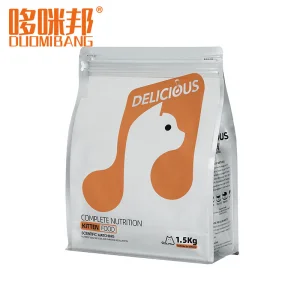
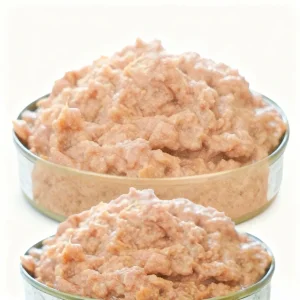
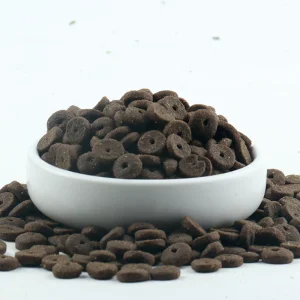
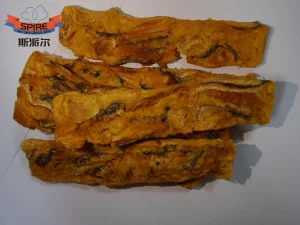
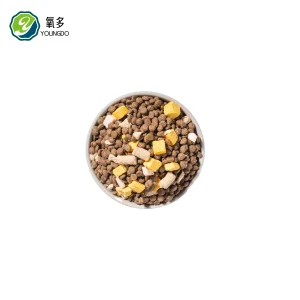
Essential intelligence for wholesale importers, veterinary procurement offices, and retail supply chain managers in Lesotho and Southern Africa.
 Mels Pet