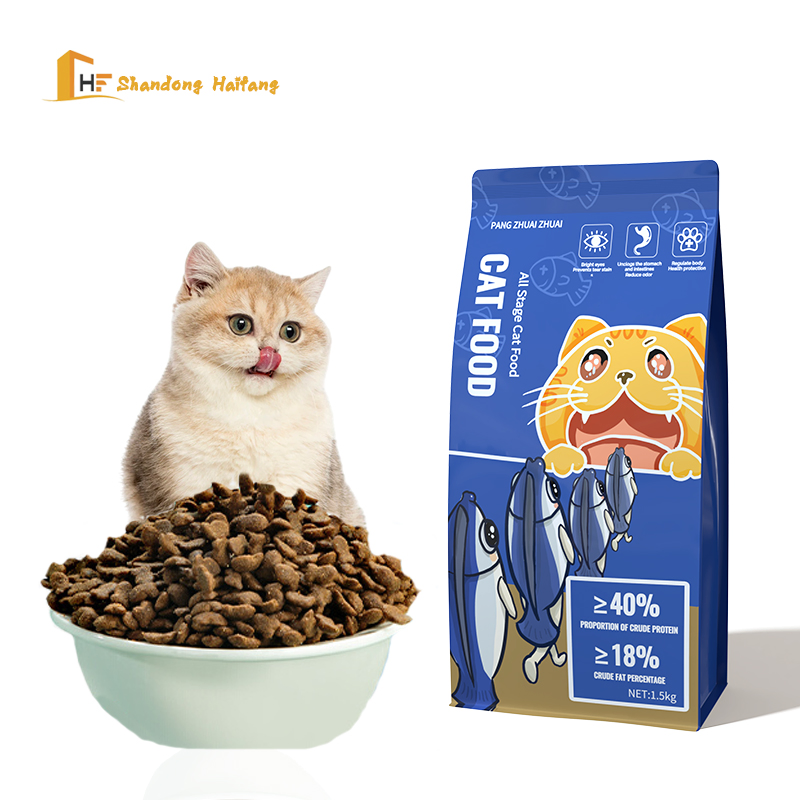
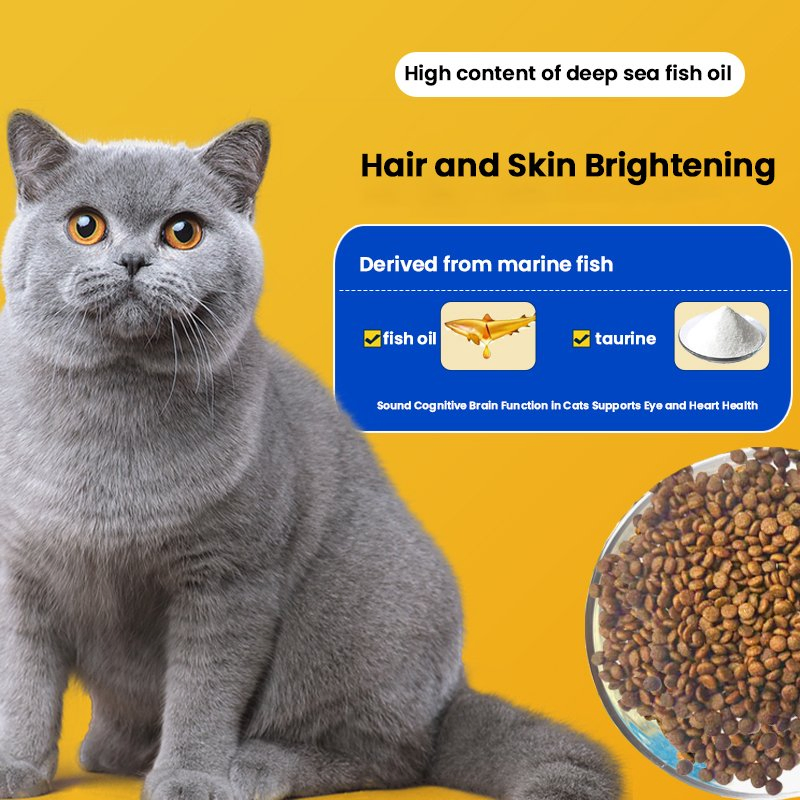
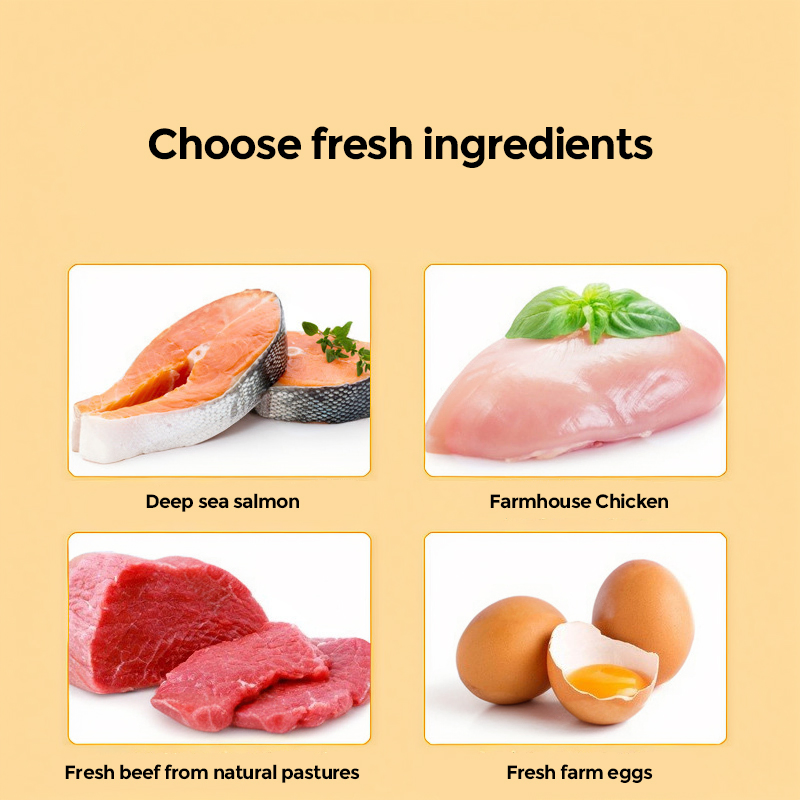
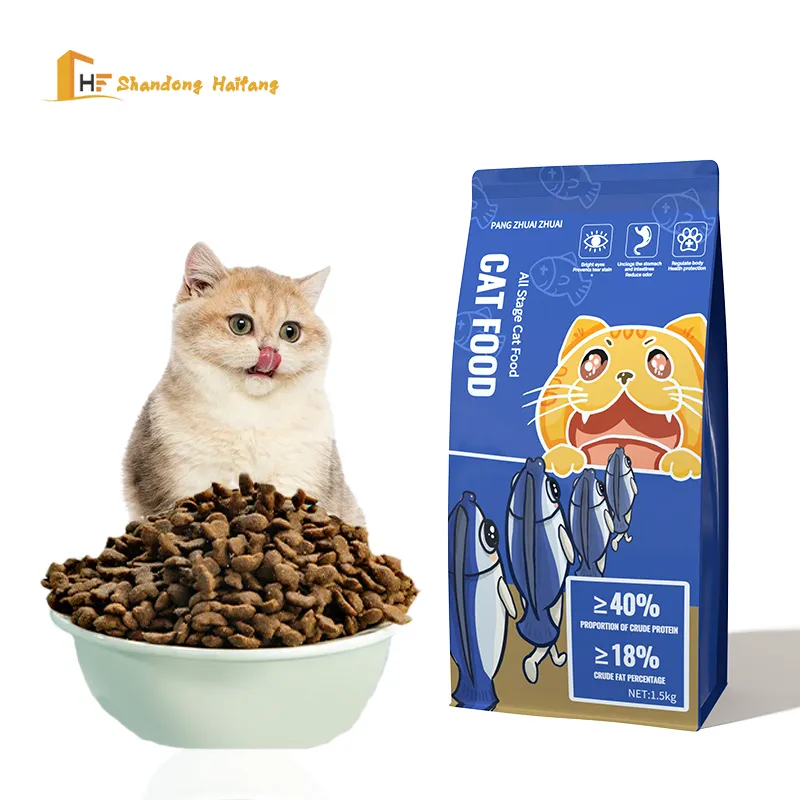
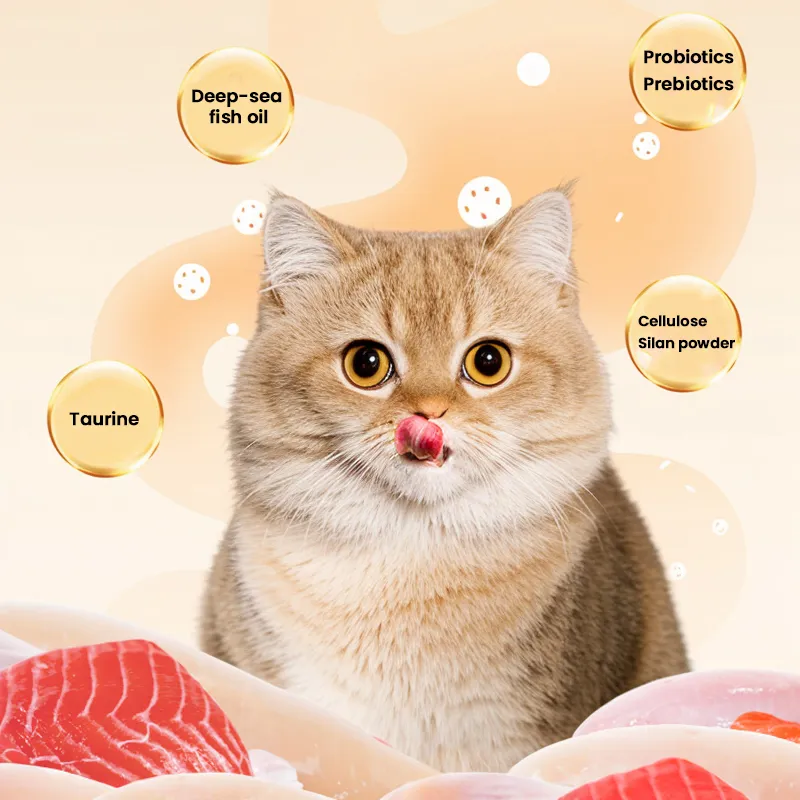
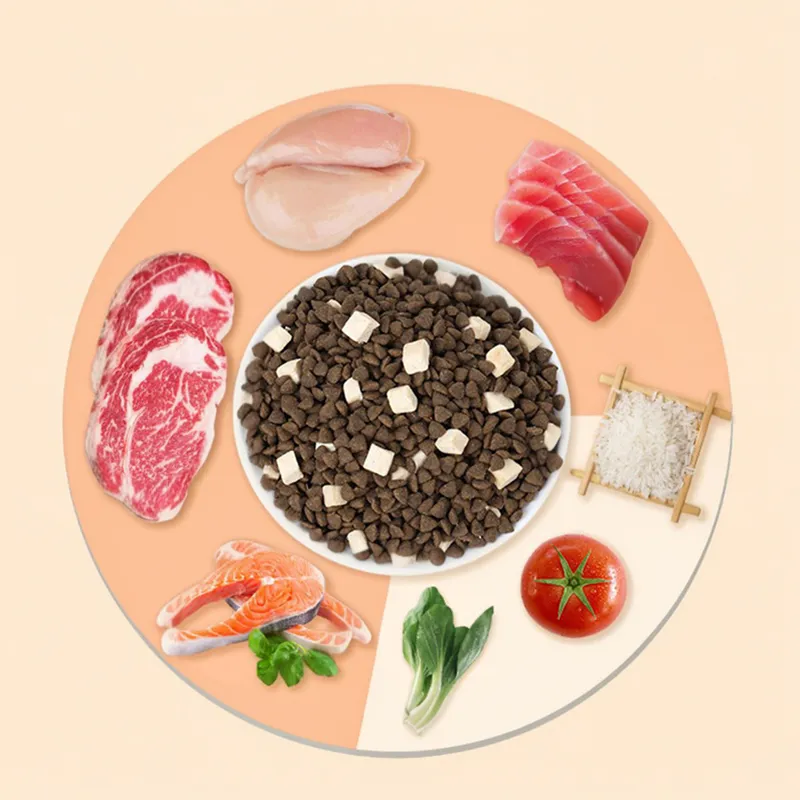
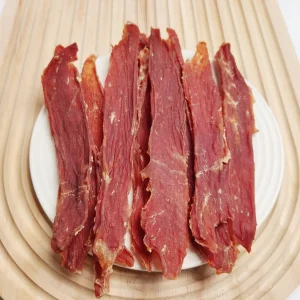
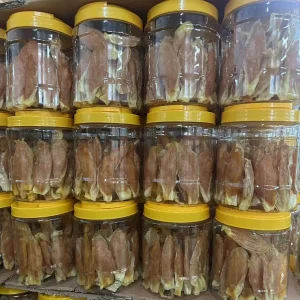
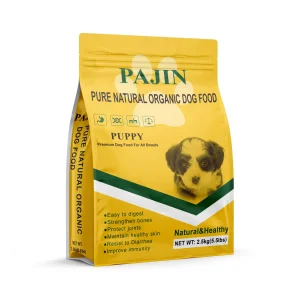
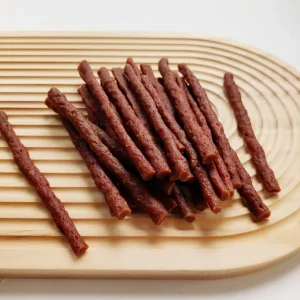
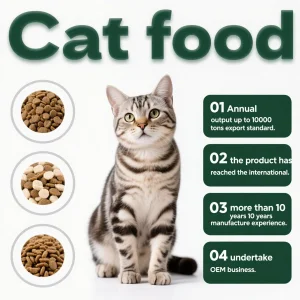
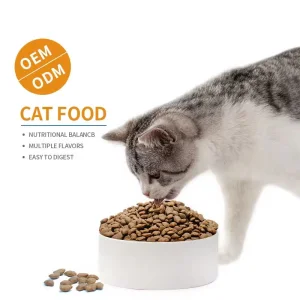
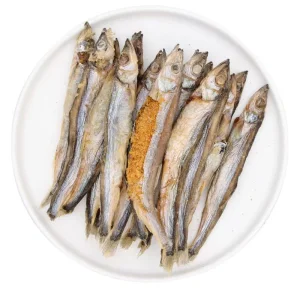
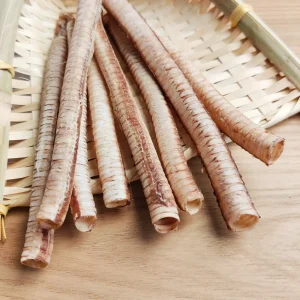
Ingredients: Cod, Chicken, Vitamins, Whole Wheat, Matured Soy, Yeast, Whey Powder, Rice, Trace Mineral Complex, Methionine, Lysine, Taurine.
| Crude Protein | ≥25% |
Ω-3 | ≥0.43% |
| Crude Fat | ≥12% |
Ω-6 | ≥0.32% |
| Water content | ≤10% |
Methionine | ≥0.3% |
| Crude ash | ≤9% |
Vitamin A | ≥13000lu/kg |
| Crude fiber | ≤5% |
D3 | ≥1200lu/kg |
| Ca. | 1%-3% |
Vitamin E | ≥500lu/kg |
| Water-soluble chloride | 1%-1.8% |
Total phosphorus | ≥0.5% |
| Taurine | ≥1% |
- | - |
Storage: Avoid sunlight, high temperature, and humidity. Use as soon as possible after opening.
Shelf life: 24 months | Payment terms: 30% T/T, LC, Trade Guarantee.
?
Frequently Asked Questions
Q1: What are the main types of cat food available?
A1: There are primarily two types: wet food (high moisture content) and dry food (kibble).
Q2: How should I choose the right food for my cat?
A2: Selection should be based on your cat's age, overall health, and flavor preferences. Consulting a vet is always recommended.
Q3: What is the benefit of wet food over dry food?
A3: Wet food provides higher hydration and is closer to a natural diet, while dry food is easier to store and great for dental health.
Q4: What essential nutrients should be in high-quality cat food?
A4: It should contain a balanced mix of proteins, fats, vitamins (like Vitamin A, D3, E), and essential minerals like Taurine.
Q5: What is the best way to store cat food?
A5: Store in a cool, dry, ventilated area away from sunlight. Once opened, dry food should be sealed and wet food refrigerated.
Q6: Are there any ingredients I should strictly avoid?
A6: Yes, never give cats food containing chocolate, onion, garlic, or caffeine, as these are toxic to their system.
 Mels Pet