Explore our specialized veterinarian-formulated meals, dry kibbles, and targeted organic treats.

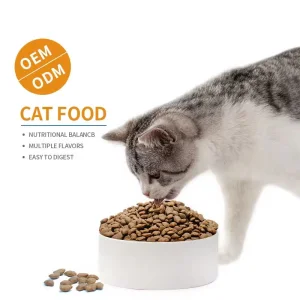
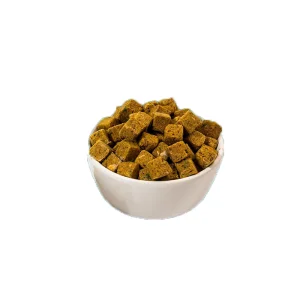
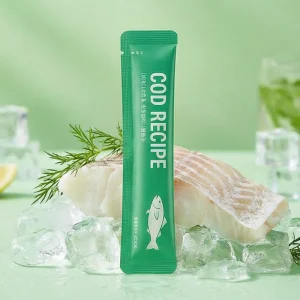
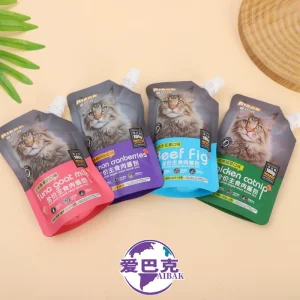
In the highly competitive global pet food market, raw material differentiation is the ultimate frontier for brand equity. High-protein, marine-sourced products have evolved from niche dermatological diets to primary, premium everyday formulations. As search queries for "fish based pet food manufacturers" and "custom marine pet food factories" reach record highs, global brands are seeking specialized OEM/ODM partners capable of delivering both high nutritional value and strict safety protocols.
Fish-derived proteins contain high amounts of Long-Chain Polyunsaturated Fatty Acids (LC-PUFAs), specifically Eicosapentaenoic Acid (EPA) and Docosahexaenoic Acid (DHA). Unlike plant-based alpha-linolenic acid (ALA), which requires metabolic conversion, marine-based EPA and DHA are directly absorbed by the cellular membranes of dogs and cats. This optimizes the epidermal moisture barrier, alleviates joint inflammation via the eicosanoid pathway, and enhances neurological development in young pets.
Marine lipids are rich in Omega-3 fatty acids that systematically reduce cellular inflammation, resolving dry skin, pruritus, and atypical shedding patterns.
Single-source fish proteins provide an excellent alternative for pets suffering from food sensitivities triggered by common land-based proteins like chicken or beef.
Cold-water fish profiles offer a complete amino acid package with exceptional digestibility coefficients, ensuring high muscle mass retention and low fecal waste volumes.
Yantai Mels Pet Food Co., Ltd. is a professional enterprise engaged in pet food research and development, production, and sales, combined with healthy breeding research and care for pets. Our core philosophy centers on scientific formulation, utilizing premium marine harvests alongside clean agricultural ingredients to maximize biological availability.
Our products are healthy and natural with high quality, balancing animal protein and diverse dietary fibers, adding fruits, vegetables, and vitamins. The proportion of each component is carefully formulated for the health and growth of pets. In order to meet different clients' demands, we incorporate their feedback to constantly upgrade our recipes scientifically on our classical manufacturing experience basis.
Our state-of-the-art industrial base covers an area of over 30,000 square meters, including more than 20,000 square meters of standardized production workshops equipped with advanced extrusion, sterilization, and vacuum-coating systems. Our annual output reaches up to 60,000 tons, easily meeting the high-demand supply cycles of over 500,000 companion animals annually. To ensure absolute safety, we use advanced production equipment matching human-grade food hygiene standards.

Yantai Mels Pet Food Co., Ltd. Production Base
Global pet food distributors are increasingly shifting their production contracts to specialized Chinese factories. The coastal regions, particularly Shandong Province (Yantai and Qingdao corridors), represent the world's most dense hub of aquaculture, marine processing, and advanced industrial pet food manufacturing. Sourcing fish-based pet food from Yantai offers several key advantages:
Yantai's proximity to major fishing ports ensures a steady supply of fresh raw fish (including deep-sea cod, salmon, tuna, and mackerel) directly from commercial fishing vessels. Advanced port-side cold chain networks minimize the oxidation of highly sensitive omega-3 fatty acids, maintaining their nutritional value prior to extrusion.
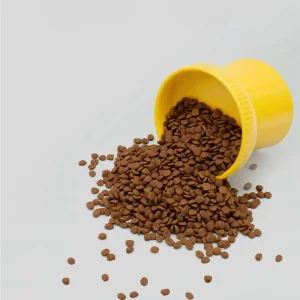
Modern Chinese factories feature multi-screw extruders and vacuum infusion systems. These technologies allow for high fresh meat inclusion rates (up to 70% fresh fish pulp) without compromising kibble structure or palatability. Natural antioxidants (such as mixed tocopherols and rosemary extract) are applied at precise temperatures to extend shelf life naturally.
With plants like Yantai Mels producing up to 60,000 tons of high-grade kibble annually, buyers benefit from optimized overhead costs. Large-scale sourcing of marine proteins, raw organic additives, and packaging materials helps lower unit costs, passing significant savings on to private label brands.
Shandong is a global manufacturing center for high-barrier pet food packaging, including quad-seal pouches, flat-bottom bags with pull zippers, and recyclable plastic structures. Combined with efficient export clearance through Qingdao and Yantai Ports, transport times and operational headaches are minimized.
Entering import markets requires strict adherence to international trade guidelines. Premium fish-based pet food must comply with regulations on heavy metals, chemical residues, and raw material tracing. The table below highlights key compliance requirements for major markets:
| Geographic Region | Primary Regulatory Body | Key Compliance Criteria | Mels Pet Food Support & Capabilities |
|---|---|---|---|
| United States | FDA / AAFCO | strict nutrient profiles, heavy metal screening, FSMA hazard analysis | FDA-registered factory, customizable formulations aligned with AAFCO nutritional targets |
| European Union | EFSA / FEDIAF | Traceability to source, zero animal by-product mix-ups, certified clean packaging | BRCGS Global Standard for Food Safety, complete ingredient transparency |
| China / Domestic | GACC / MARA | strict import registration, strict bio-safety testing, clear labeling laws | Fully licensed under MARA Decree 20, registered for domestic pet food sales and production |
| Asia-Pacific | Regional Agencies (e.g. MAFF Japan) | Specific phytosanitary certificates, certified pathogen-free processing | Comprehensive export logistics handling with international veterinary certifications |
A major concern in fish-based formulation is bioaccumulation of heavy metals (like mercury, lead, and arsenic). Premium manufacturers utilize Atomic Absorption Spectroscopy (AAS) and ICP-MS testing on every batch of incoming raw marine material. Furthermore, sourcing young, fast-growing ocean species (such as wild-caught anchovies or sardines) instead of apex predators (like shark or swordfish) naturally minimizes heavy metal exposure, ensuring a clean, nutrient-dense finished product.
To capture market share, B2B buyers must align their product lines with shifting consumer demands. Our research highlights the top development vectors in the marine pet food category:
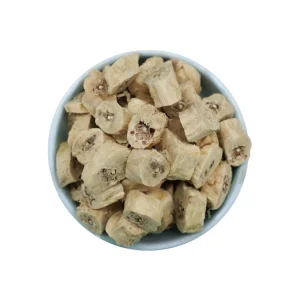
Combining high-protein dry kibble with raw freeze-dried fish chunks or shrimp toppers. Sublimation drying preserves natural vitamins and volatile aromatic molecules that stimulate senior pets' appetite.
Enzymatic hydrolysis breaks down large fish proteins into smaller peptides (under 3000 Daltons). The pet's immune system does not recognize these tiny peptides as allergens, creating an effective hypoallergenic formula.
Integrating specialized ocean ingredients like seaweed powder, spirulina, and Antarctic krill meal to promote dental health, balance gut microflora, and support cognitive function.
Every regional market has distinct consumer preferences. Global brands partner with Yantai Mels to develop tailored, localized formulations that appeal directly to these targeted regional needs:
Consumers in the USA and Canada demand grain-free, high-protein recipes featuring recognizable fish species like wild-caught salmon or trout. Sourcing needs to highlight clean-label credentials, high omega fatty acids, and sustainable MSC certification. This makes premium kibbles and freeze-dried toppers popular choices in this region.
European markets place a high priority on sustainability, ecological sourcing, and strict allergen prevention. Mono-protein recipes (such as 100% whitefish) formulated without corn, wheat, or soy are highly popular. These diets are designed specifically for dogs and cats with sensitive digestion and skin allergies.
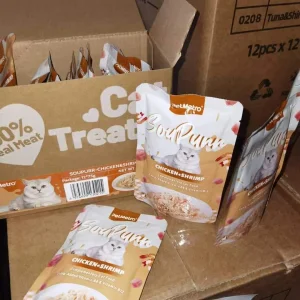
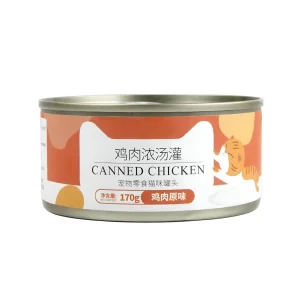
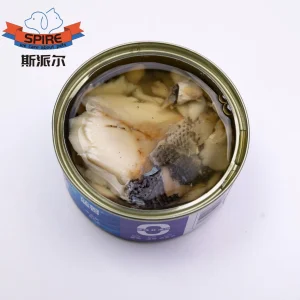
In warm, humid climates, pet hydration is a key wellness priority. Brands focus on high-moisture products like fish broths, canned wet foods, and jelly-based tuna pouches. These formulations provide daily hydration, help prevent urinary tract stones, and stimulate appetite in hot weather.
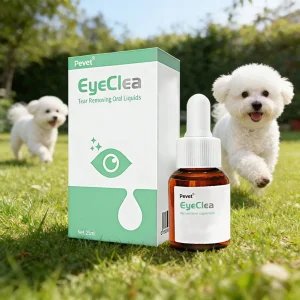
In Japan and South Korea, toy breeds (such as Bichon Frises, Poodles, and Pomeranians) dominate the pet population. The focus in these markets is on tear-stain prevention, joint health support, and skin barrier maintenance. Fish-based treats rich in natural astaxanthin and marine collagen are popular choices here.
Review answers to key operational, nutritional, and logistical questions when sourcing fish-based pet food from premium factories.
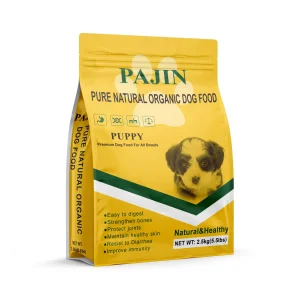
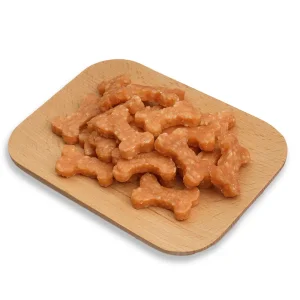
Explore our specialized functional diets, wet foods, and organic single-ingredient treats.

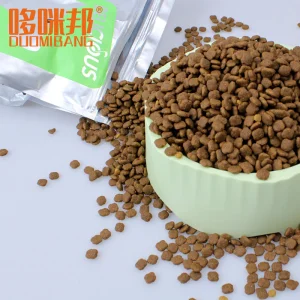

 Mels Pet